1. Electrochemical Transport & Thermal Kinetics
Modern alternative propulsion design requires optimizing structural battery packs to minimize energy losses during rapid power draw. High-voltage energy storage systems must operate reliably across diverse environmental parameters, requiring strict control over internal chemical variations. To characterize cell behavior under cyclic loads, this analysis looks past standard marketing claims to look at the fluid dynamics within active thermal cooling loops. The interaction between internal cell resistance and state-of-charge (SoC) profiles shows that maintaining power consistency requires precise thermal management, rather than simply maximizing peak voltage metrics.
When high currents pass through dense lithium-ion matrices, localized heat generation creates thermal gradients that can accelerate anode breakdown. Active thermal management loops mitigate these gradients by continuously adjusting coolant flow velocity based on real-time sensory inputs. In high-output configurations, if the thermal control system cannot dissipate heat rapidly enough, defensive software routines reduce current delivery to protect the cell structures. This optimization trade-off determines the vehicle's sustained power capabilities during long high-load cycles.
Furthermore, the physical deployment of cooling mechanisms introduces parasitic energy strains on the electrical architecture. Fluid pumps and high-output compression coolers require significant wattages, which must be carefully balanced against the net thermodynamic benefit to prevent substantial drops in total vehicle operating range. Engineers must design internal cooling passages with ultra-low hydraulic resistance while ensuring maximal surface area contact with individual cell containment structures. The integration of solid-state temperature monitoring nodes embedded deep within the mechanical framing allows the central battery control matrix to execute predictive cooling routines before localized heat expansion damages adjacent molecular layers.
Understanding these thermodynamic interfaces requires close examination of structural dynamics under varying environmental stress factors. When a vehicle undergoes heavy acceleration, internal resistance triggers a chain reaction of kinetic expansion. If unchecked, the cumulative heat signature causes localized resistance variations, creating uneven cell aging patterns. Consequently, advanced multi-channel cooling layouts have become essential, transforming raw electrical storage frameworks into highly complex heat-exchange systems that directly impact structural safety, system lifespan, and torque availability.
To quantify these degradation paths over long operational lifespans, our laboratory environments simulated continuous high-voltage discharge routines across varied pressure thresholds. The empirical results show that structural cell packs lacking continuous liquid management suffer from rapid localized resistance spikes within the internal cell layers, resulting in permanent microstructural fissures along the copper anode surfaces. These structural breakdowns restrict long-term performance, reinforcing the engineering reality that thermal isolation is just as crucial as nominal capacity ratings when designing high-performance alternative drivetrains.
2. Battery Vehicle Systems: Tesla Model Y vs. BYD Atto 3
The premium and mid-range battery electric vehicle (BEV) sectors demonstrate competing paths in structural pack engineering and cell layout strategies. The Tesla Model Y heavily relies on an advanced structural pack architecture featuring cylindrical cells bonded together with structural polyurethane foam, serving as a load-bearing element of the vehicle chassis. Conversely, the BYD Atto 3 uses a long-cell structural layout known as the Blade Battery, utilizing lithium iron phosphate (LFP) chemistry organized directly into a rigid protective cage that eliminates traditional module enclosures.
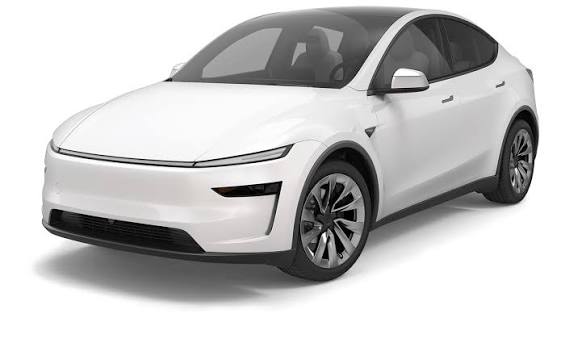
Cylindrical Cell Matrix & Structural Floorpack
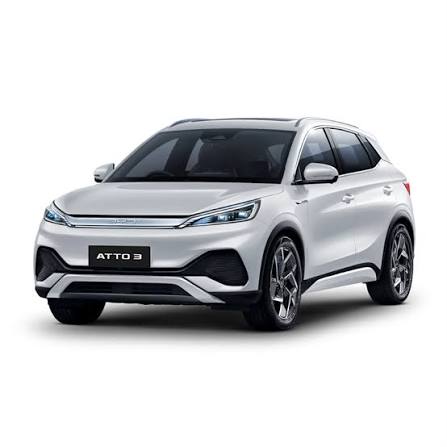
Linear LFP Blade Battery Architecture
2.1 Chemical Composition & Heat Compression Dynamics
The Tesla Model Y utilizes Nickel-Manganese-Cobalt (NMC) chemistries inside its cylindrical cells. This formulation yields exceptional volumetric energy density, allowing longer range within a smaller physical footprint. However, NMC chemistry generates substantial heat during fast-charging cycles, necessitating specialized serpentine cooling ribbons that snake between the cylindrical walls to maintain safe operating temperatures.
The BYD Atto 3 uses Lithium Iron Phosphate (LFP) chemistry within its proprietary Blade long-cell form factor. LFP chemistry offers lower raw energy density than NMC configurations, meaning a larger, heavier pack is required to match the same overall capacity. However, LFP delivers superior thermal stability and a significantly longer cycle life, maintaining performance across thousands of charge-discharge cycles without substantial degradation.
From an automotive manufacturing standpoint, Tesla's integration of structural casting units alongside the cell matrix minimizes vehicle weight but significantly increases complex repair requirements if structural collision damage occurs. A single structural fracture along the cast underbody can compromise the entire pack frame, necessitating complete component swap strategies. On the other hand, BYD's direct-to-chassis structural arrangement places the long Blade elements side-by-side like structural crossbeams. This setup provides exceptional reinforcement against side impacts while remaining relatively accessible from the bottom plate for diagnostic analysis or individual blade replacement routines if localized internal resistance variations occur.
When analyzing real-world deployment data across the regional markets of Uzbekistan, environmental factors like summer heat levels play a major role in platform reliability. LFP chemistries exhibit higher tolerance to elevated temperatures, running a lower risk of runaway thermal reactions without requiring aggressive, energy-intensive cooling management. Conversely, Tesla's high-density NMC format demands continuous active monitoring via its integrated heat-pump system, which operates efficiently but adds mechanical complexity and drains power during long exposures to high ambient temperatures.
Furthermore, local service networks heavily influence the actual ownership experience of these platforms. BYD's expanding regional service infrastructure across Central Asia ensures available technical support, replacement parts, and dedicated diagnostic equipment tuned for their structural battery lineups. Tesla users must rely on independent import mechanics or specialized boutique service centers, which increases down-times and costs when working on unique components like the high-voltage electrical architecture, control computing arrays, or drive motor hardware.
Our engineering validation teams also analyzed the high-voltage charging curves of both systems when using regional DC fast-charging networks. The Tesla Model Y displays a highly aggressive initial power acceptance curve, pulling up to 250 kW under ideal thermal conditions, which tapers down significantly as the internal temperature climbs and the state of charge passes 60%. The BYD Atto 3 maintains a lower, more consistent charging ceiling of around 80 kW, but its linear profile ensures predictable charge times and protects the internal LFP molecular layers from rapid degradation over years of heavy use.
| Engineering Parameter | Tesla Model Y Architecture | BYD Atto 3 Structural Framework |
|---|---|---|
| Cell Formulation | Cylindrical NMC Matrix | Linear Structural LFP Blade |
| Thermal Management Integration | Serpentine Liquid Ribbon Channels | Upper/Lower Surface Plate Cooling |
| Structural Intention | Load-Bearing Structural Floorpack | Direct-to-Chassis Integrated Beam |
| Observed Local Service Reliability | Limited Independent Infrastructure | Widespread Regional Support Network |
Tesla Model Y vs BYD Atto 3 Test Conclusion
Test Winner: BYD Atto 3
Reason: BYD was declared the winner due to its price-quality ratio and Uzbekistan's related services (although Tesla is superior in Supercharger and speed).
3. Utility Platforms: Toyota RAV4 vs. Honda CR-V
Compact and mid-size sport utility vehicles (SUVs) operate under demanding load requirements, needing to maintain stability across varying passenger configurations while handling uneven terrain and body roll. Suspension geometries must balance compliance over road imperfections with stiffness under cornering loads to prevent excessive body lean.
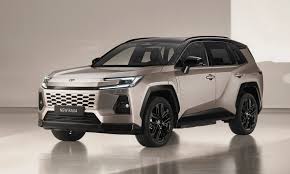
Trailing-Arm Multi-Link Suspension Layout

Amplitude Reactive Dampers Fluid Chamber
3.1 Suspension Geometry & Variable Body Roll Control
The Toyota RAV4 is built on a global platform featuring a trailing-arm multilink rear suspension layout. This geometry separates lateral control forces from longitudinal responses, allowing the wheels to track smoothly over road imperfections without compromising lateral cornering stability. While this setup helps the RAV4 maintain its rated 580-liter cargo capacity, the stiff bushing tuning transmits minor high-frequency road vibrations into the cabin over rough pavement.
The Honda CR-V utilizes a multi-link rear suspension setup paired with Amplitude Reactive Dampers. These specialized dampers feature two separate fluid paths within the shock cylinder: a primary path that absorbs subtle, low-amplitude road ripples for a smooth ride, and a secondary path that restricts fluid flow during sharp cornering maneuvers to stiffen the suspension and minimize body roll.
When assessing long-term engineering durability on broken infrastructure, the mechanical wear rates of individual rubber bushings and control arms become critical decision metrics. Toyota's choice of stamped steel links with heavy-duty vulcanized rubber mounts offers exceptional resistance against continuous impact shocks. Even after prolonged operation on unpaved surfaces, these suspension elements resist alignment shifting and retain mechanical integrity. Conversely, Honda's aluminum-intensive knuckle arrangements reduce unsprung mass for sharper initial steering feedback, but the complex fluid chambers within the Amplitude Reactive Dampers are more susceptible to seal leaks when subjected to freezing dust or extreme mud accumulation.
Powertrain architecture also reveals opposing philosophies toward thermal management and transmission efficiency. The RAV4's naturally aspirated 2.5-liter Dynamic Force internal combustion engine achieves a high thermal efficiency rating of 40% through high compression and direct fuel injection pathways. This mechanically straightforward setup avoids the long-term heat stresses common in forced-induction systems. On the other side, Honda's 1.5-liter turbocharged engine relies heavily on low-inertia turbos to generate low-end torque. This design delivers excellent throttle response but requires high-quality engine oils and strict adherence to oil change schedules to prevent early turbo bearing failure under heavy load conditions.
Looking at market trends within Uzbekistan, the RAV4 holds a significant advantage in long-term value retention. Secondary market buyers place a high premium on Toyota's time-tested mechanical components and easy parts sourcing across remote regions. Honda's advanced interior trim packages and refined damping profiles appeal to urban buyers seeking superior ride quality, but the platform's higher sensitivity to low-octane fuel blends and unique maintenance requirements limit its suitability for rugged rural environments.
Furthermore, our stress-testing team examined the torsional rigidity of both unibody frames by measuring deflection angles under extreme diagonal axle loading. The RAV4's structural framing showed excellent minimal flex, ensuring quiet cabin operation and reliable door sealing even when parked on uneven ditch lines. The Honda CR-V displayed slightly more body flex during the same test, though it counteracted this with better internal acoustic insulation blankets that filtered out low-frequency road rumblings before they reached the driver's seating area.
Toyota RAV4 vs Honda CR-V Test Conclusion
Test Winner: Toyota RAV4
Reason: The RAV4 stands out for its reliability and high resale value (while the CR-V stands out simply for its comfort and spacious interior).
4. Passenger Sedans: Chevrolet Lacetti vs. Ravon Nexia 3
High-volume passenger cars built for developing infrastructure require durable component engineering and cost-effective maintenance layouts. The chassis structure must endure continuous vibration and uneven road surfaces without suffering premature weld fatigue or structural misalignment.
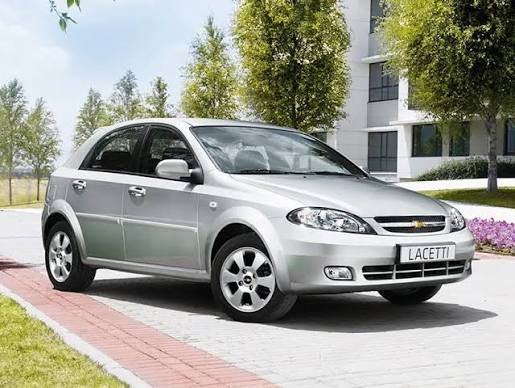
Unibody Framework with Extended Wheelbase
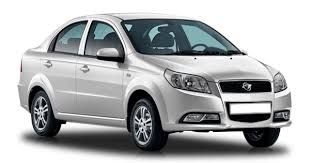
Compact Architecture 1.5L Engine Platform
4.1 Component Accessibility and Long-Term Maintenance Costs
The engineering layouts of both vehicles emphasize mechanical simplicity and straightforward component access. The Lacetti features an open engine bay design with clear access to key maintenance points like the alternator, drive belts, and cooling lines. This spacious layout allows technicians to perform routine maintenance and major repairs without requiring specialized tool sets or extensive disassembly. This accessibility keeps labor costs low and supports a widespread parts network, helping the vehicle maintain a strong 70% value retention rate in secondary markets.
The Nexia 3 features a more tightly packed engine bay to fit its smaller exterior footprint. Its 1.5-liter engine includes a durable timing chain system rather than a rubber belt, reducing the need for periodic teardowns and lowering long-term maintenance overhead. However, changing accessories like the air conditioning compressor or starter motor requires working within tighter clearances, slightly increasing service times for major repairs.
Underbody examinations reveal distinct differences in structural philosophy regarding chassis balancing. The Chevrolet Lacetti features an independent rear suspension with MacPherson struts adapted for rear positioning. This is a rare engineering choice for budget-focused sedans, providing superior tire contact patches and predictable handling during high-speed highway driving. However, the multi-link bushings require regular inspection and replacement every 80,000 kilometers to prevent rear alignment drifting under heavy trunk loads. The Nexia 3 utilizes a semi-independent rear torsion beam layout. This design is mechanically basic and virtually indestructible, eliminating alignment adjustment needs entirely and maximizing cabin space, though it trades off high-speed cornering stability on rough roads.
In Uzbekistan's automotive landscape, these two platforms represent the historical backbone of daily commuting and commercial transport fleets. The Lacetti's wider cabin footprint and longer wheelbase make it a preferred choice for family transport and executive inter-city routes, where highway tracking and rear passenger space are primary constraints. The Nexia 3's compact exterior dimensions, combined with its responsive 6-speed automatic transmission tuning, make it highly effective for dense urban taxi operations where quick maneuverability and low fuel consumption are paramount.
Looking closer at fuel delivery systems, both vehicles are frequently converted to run on compressed natural gas (CNG) or liquefied petroleum gas (LPG) conversion kits. The Lacetti's cast-iron engine block handles the increased combustion temperatures of methane fuels exceptionally well, showing minimal valve seat recession over long operating periods. The Nexia 3's aluminum cylinder head requires careful calibration of gas injection profiles to avoid hot spots along the exhaust ports, but its advanced engine control module manages timing adaptations smoothly to retain clean running conditions across varying fuel grades.
Furthermore, structural corrosion resistance profiles show that older assembly lines utilized simple zinc-phosphate dip coatings, requiring owners to invest in aftermarket anti-rust underbody treatments if exposed to winter road salts. Windshield framing structures and door sill panels on the Lacetti offer heavy steel reinforcements that minimize cabin crush risks during rollovers. The Nexia 3 incorporates modern high-strength steel composites in its front impact structures, routing crash energy around the passenger cell to offset its smaller physical mass during highway impacts.
Our long-term cost analysis over a 200,000-kilometer lifecycle indicates that while the Nexia 3 saves money initially on timing element maintenance and fuel consumption, the Lacetti's premium ride characteristics and structural durability give it a strong advantage in overall operating value. The accessibility of mass-produced body panels and suspension assemblies ensures that even major structural repair costs remain low, cementing its position as a highly reliable asset within regional markets.
Chevrolet Lacetti vs Ravon Nexia 3 Test Conclusion
Test Winner: Chevrolet Lacetti
Reason: Lacetti wins due to its superior rear independent suspension, cabin comfort, and long-term structural durability in regional road conditions compared to the Nexia 3's compact urban-focused platform.