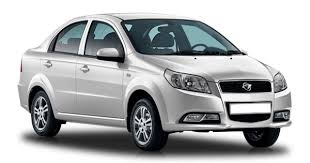
If you've spent any time on the road in Uzbekistan, you've already seen more Lacettis and Nexias than any other two models combined. Both are built locally by UzAuto Motors, both have been sold in enormous numbers for well over a decade, and both show up constantly in the used market — as family cars, as taxis, and as first cars for new drivers. That popularity is exactly why comparing them properly matters: the difference between the two isn't about one being a "better car" in the abstract, it's about which one actually fits the kind of driving, parking, and budget you're working with.
A quick history: two different platforms
The Lacetti has one of the longest continuous production runs of any car sold in Uzbekistan. It's based on GM's older T200 platform (the same basic underpinnings as the Daewoo Lacetti sold internationally in the mid-2000s), and while most other markets moved on from this generation years ago, UzAuto kept building it locally for the domestic market long after, because demand never really slowed down. That long run means an enormous number of mechanics, parts suppliers, and body shops across the country have serviced Lacettis for years — the model's familiarity is arguably as much a selling point as anything on its spec sheet.
The Nexia 3 has a different, more recent history. It launched in 2015 under the short-lived Ravon brand, which UzAuto used for several years before folding its lineup back under the Chevrolet name around 2019 to 2020. Underneath, the Nexia 3 is based on the Chevrolet Aveo T250 platform — a genuinely different, newer architecture than the Lacetti's, despite the shared "Nexia" naming carried over from the much older, unrelated Daewoo Nexia of the 1990s. Depending on exactly when you're shopping, you may see the same car badged as "Ravon Nexia 3" on older listings and simply "Chevrolet Nexia" on newer ones — they're the same underlying vehicle.
Size, body, and everyday space
This is one of the more clear-cut differences between the two. The Lacetti is the larger car by a real margin — a proper C-segment sedan with a noticeably roomier back seat and a larger trunk, which is a big part of why it remained so popular with taxi drivers and larger families even as the platform aged. The Nexia 3 is a smaller, B-segment compact sedan, closer in size to entry-level city cars, with less rear legroom and a smaller trunk.
If you regularly carry more than two passengers in the back, drive with car seats, or need to fit larger luggage or shopping trips, the Lacetti's extra interior volume is the more practical everyday choice. If you're mostly driving solo or with one passenger, park in tight spaces regularly, or simply want a smaller footprint to maneuver through narrower streets and crowded parking lots, the Nexia 3's compact size becomes the advantage instead.
Engine, performance, and how each one drives
Both cars use a four-cylinder gasoline engine in a similar power range — the Lacetti's 1.6-liter engine and the Nexia 3's 1.5-liter engine both produce output in the same rough neighborhood, somewhere around 105 to 110 horsepower depending on the exact model year and market specification. In practice, that means neither car feels quick, and the real-world difference between them owes more to weight than to raw engine output: the Nexia 3 is meaningfully lighter than the Lacetti, so it feels a bit more responsive off the line and around town despite the smaller engine, while the heavier Lacetti trades a bit of that responsiveness for a more settled, planted feel at higher speeds and on rougher road surfaces.
Manual five-speed transmissions are the most commonly available option on both cars across the used market, though automatic transmission versions of both have been sold in various years and trims — automatic availability has generally been more limited and pricier as a used option than the manual versions, so if an automatic gearbox is a requirement for you, expect a smaller pool of used listings to choose from and a higher asking price within that pool.
Fuel consumption
The Nexia 3's smaller engine and lighter overall weight generally translate into lower real-world fuel consumption than the Lacetti, particularly in city driving where the weight difference matters more. Exact figures vary a lot based on driving style, traffic conditions, tire condition, and whether the specific car has been converted to run on gas equipment (methane or propane conversions are extremely common on both models in the used Uzbekistan market, and a converted car's real fuel cost per kilometer looks very different from a gasoline-only figure). If fuel cost is your primary concern and you're comparing two otherwise similar used examples, ask each seller for their actual recent fuel consumption rather than relying on either model's factory-rated figure, since real-world numbers on cars this age vary enormously based on condition and maintenance.
Reliability and parts availability
This is where both cars share a genuine advantage over less common imported models: because both have been built and sold locally in huge numbers for years, parts for routine maintenance and common wear items are widely available and inexpensive for either one, and most independent mechanics across the country are already familiar with servicing both. The Lacetti has the longer track record of the two simply by virtue of having been on the road longer, which means there's an even deeper pool of accumulated mechanic experience and aftermarket parts specifically for it, including for older-generation quirks that have long since been documented and worked around by local shops.
Common wear points reported by owners of the Lacetti over a long ownership period tend to center on front suspension bushings and control arm components wearing out with age and rough road use, along with the usual electrical niggles that show up on any car of this vintage — window regulators, door lock actuators, and similar wear-and-tear items rather than anything catastrophic. The Nexia 3, being the newer platform of the two, generally shows fewer age-related wear complaints simply because the oldest examples are still younger than the oldest Lacettis on the road, though as Nexia 3s themselves age into their second decade, it's worth having any specific used example checked for the same categories of wear — suspension components, electrical accessories, and air conditioning system performance — rather than assuming a newer platform means fewer used-car issues at every mileage bracket.
Interior comfort and features
The Lacetti's larger body and older design philosophy translate into a more traditional, spacious cabin, with buyers over the years generally rating its ride comfort and seat comfort highly for the price segment, even if the interior materials and technology feel dated by current standards. The Nexia 3's cabin reflects its more recent design: a tighter but more modern-feeling layout for its era, with trim levels over the years adding features like electric windows, air conditioning, and audio system upgrades that became more standard as the model matured through its production run. Exact feature availability — power steering, air conditioning, airbags, ABS — varies significantly by model year and trim level for both cars, so it's worth confirming the specific equipment list of any used example you're considering rather than assuming a base level of features across the board, since earlier and later production years of both models differ meaningfully in standard equipment.
Safety equipment
Neither car was designed to modern global safety standards, and buyers should treat both as basic transportation rather than expecting the crash safety performance of a current-generation vehicle. Driver-side airbags became more common as both models matured through their production runs, with passenger airbags and ABS availability varying by trim and year — again, worth checking on the specific example rather than assuming a given year automatically includes a given feature. If active safety equipment is a genuine priority for you, it's worth checking the exact specification sheet for the specific model year you're looking at rather than relying on general assumptions about either nameplate.
Price positioning and resale value
In the used market, the Nexia 3 typically sits at a lower price point than the Lacetti for a comparable age and condition, reflecting its smaller size and simpler market positioning as UzAuto Motors' more budget-focused sedan. The Lacetti commands a bit more for equivalent condition and mileage, partly because of its larger size and partly because of sustained demand from taxi operators and larger families who specifically want the extra space. Both models hold their value reasonably well in the local market precisely because demand remains high and consistent — neither one depreciates the way a less common imported car might, since there's always a ready pool of local buyers who specifically want a Lacetti or a Nexia for exactly the reasons described above.
A used-car checklist specific to these two models
Given how common gas-equipment conversions are on both models locally, ask specifically whether the car has a methane or propane system installed, when it was last inspected and certified, and ask to see the certification paperwork — a poorly maintained gas system is a genuine safety concern and also affects resale and insurance considerations. Check the odometer reading against the general condition of the pedals, seat bolsters, and steering wheel wear, since odometer tampering is a documented concern on high-mileage used cars in this segment, and a low reading paired with heavily worn interior surfaces is worth treating with suspicion. Ask directly whether the car has spent time in taxi service, since taxi use typically means significantly higher real mileage and harder wear than the odometer or exterior condition alone might suggest, even when a car has been cleaned up for sale. Have the suspension, particularly the front end, checked by an independent mechanic on either car, since this is a documented common wear area for cars of this age and mileage bracket across both models. And test the air conditioning system specifically during a test drive rather than just confirming it's present, since AC compressor and system repairs can be a meaningful unexpected cost on an older used example of either model.
A side-by-side look at the numbers
| Category | Chevrolet Lacetti | Ravon Nexia 3 |
|---|---|---|
| Platform | Older GM T200 | Newer Chevrolet Aveo T250 |
| Body size | Larger C-segment sedan | Smaller B-segment sedan |
| Engine | ~1.6L, ~105-110 hp | ~1.5L, similar power, lighter car |
| Fuel use | Higher in city driving | Generally more efficient |
| Interior space | More rear legroom & trunk | Compact, easier to park |
| Parts & service | Longest track record locally | Well supported, newer platform |
| Typical used price | Higher for equal condition | Generally lower |
| Best fit | Families, taxi-style use | Budget buyers, city driving |
Trim levels and what changed over the years
Both cars went through several rounds of updates during their long production runs, and the differences between an early example and a later one can be significant enough to matter more than the difference between the two models themselves. Early Lacettis tend to have simpler equipment lists — manual windows on lower trims, no ABS on the most basic versions — while later production years progressively added standard features as UzAuto updated the lineup to stay competitive with newer arrivals in the local market. The same pattern holds for the Nexia 3: the earliest Ravon-badged cars from around 2015 differ in equipment and minor styling details from the later Chevrolet-badged Nexia versions, even though the underlying platform and engine stayed largely consistent. When comparing two listings, it's worth treating the production year as almost as important a variable as the model itself, since a well-equipped later Nexia 3 and a stripped-down early Lacetti might have less separating them in daily usability than their nameplates suggest.
Insurance and registration considerations
Both models are common enough that insurance costs tend to be predictable and reasonable compared to less common or imported vehicles, since insurers have extensive claims history to price against for both. Registration and technical inspection processes are the same standard process used for any locally produced car, though if a car has gas equipment installed, make sure that equipment has its own valid certification alongside the vehicle's regular registration paperwork, since this is checked separately in some jurisdictions and can hold up a resale or ownership transfer if it's missing or expired. It's also worth confirming that the vehicle's documents match the engine and body number stamped on the car itself, since mismatched paperwork on an older used car can create registration headaches well after the sale is complete.
Spare parts cost comparison
Because both cars share so much of the broader GM Uzbekistan parts ecosystem, day-to-day consumables — filters, brake pads, belts, fluids — tend to cost a similar amount for either model, and both benefit from a large secondary market of both original and aftermarket parts. Where the two diverge a little is on body panels and some model-specific components, where the Lacetti's much longer production run means an even wider selection of used and aftermarket body parts is available, sometimes at a lower price than equivalent Nexia 3 parts simply due to the larger volume of cars and parts in circulation over a longer period. For a car you plan to keep for many years, this parts-availability gap is worth factoring in alongside the purchase price itself.
A few quick questions people ask before choosing
Which one is cheaper to maintain day to day? Routine maintenance costs are similar for both, since they share much of the same service network and consumable parts pricing. The Nexia 3 usually costs a bit less to fuel due to its lighter weight and smaller engine, while the Lacetti can have a slight edge on body-parts cost simply due to wider availability from its longer production history.
Is the Nexia 3 the same car as the old Daewoo Nexia? No. Despite sharing a name, the Ravon Nexia 3 (later Chevrolet Nexia) is built on the newer Chevrolet Aveo T250 platform and is a completely different vehicle from the original 1990s-era Daewoo Nexia, which was a much older, unrelated design.
Which one is better for taxi use? The Lacetti remains the more common choice among taxi operators specifically because of its larger cabin and trunk space, which matter more over a full day of passenger and luggage duty than the Nexia 3's lower running costs.
Should I worry about buying a car with gas equipment installed? Not necessarily, but treat it as its own inspection item separate from the car itself — ask for the certification, ask when it was last serviced, and if possible have a specialist check the system's condition, since a poorly maintained gas conversion is a safety and reliability concern regardless of which of the two models it's installed on.
A short test-drive routine for either model
Start with a cold start, since a car that struggles or idles roughly when the engine is cold can point to ignition or fuel-system issues that a fully warmed-up test drive would hide. Drive a mix of surface streets and, if possible, a short stretch at highway speed, paying attention to any vibration through the steering wheel that could indicate wheel balance or suspension wear. Test the brakes at both low and moderate speed, listening for grinding or pulsing that could mean worn pads or a warped rotor. Run the air conditioning and heater through their full range, and check that every window, door lock, and interior light actually works, since these small electrical items are exactly where age tends to show up first on cars in this segment.
Climate and regional driving conditions
Uzbekistan's climate swings between very hot summers and cold winters, and both cars respond to that in slightly different ways. The Lacetti's larger cooling system and heavier body generally cope a little better with sustained high-temperature driving and long highway stretches in summer heat, while the Nexia 3's smaller engine can feel more strained running air conditioning continuously in extreme heat compared to a car with more engine capacity to spare. In winter, cold-start behavior on either car depends far more on battery condition, spark plugs, and general maintenance than on the model itself, so a well-maintained example of either car should start reliably in cold weather, while a neglected example of either will struggle regardless of badge.
Final thoughts before you go look at a specific car
Whichever model you lean toward on paper, treat this comparison as a starting point rather than a final answer. Both the Lacetti and the Nexia 3 have such a wide range of production years, trims, and individual ownership histories in circulation that two examples of the same model can differ from each other more than a Lacetti differs from a Nexia 3 in the abstract. Bring a mechanic you trust, ask for full service history, check the gas equipment certification if applicable, and confirm the car hasn't spent years in taxi service without full disclosure. The nameplate tells you what kind of car you're generally getting; the specific example tells you what you're actually buying.
The honest bottom line
Both of these cars have earned their popularity in Uzbekistan the same way: years of proven, affordable ownership backed by parts and mechanics available almost everywhere you go. Neither one will impress you with performance or modern features, and that's not really the point of either car. The real decision comes down to size versus efficiency — a bigger, more comfortable cabin with the Lacetti, or a smaller, lighter, generally cheaper-to-run car with the Nexia 3 — and whichever one you choose, the condition of the specific used example in front of you will matter far more to your ownership experience than any factory spec sheet comparison ever could.