Toyota RAV4 vs Honda CR-V
The Definitive Multi-Dimensional Cross-Examination of the World's Leading Compact Family Crossovers
Automotive Premium Ad Container (728x90 Billboard Layout)
This automated layout slot initiates premium programmatic ad script mapping upon active deployment of verified Google AdSense publisher keys.
1. The Battle for the Family Driveway: Crossover Hegemony
The modern family crossover serves as the undisputed utility knife of contemporary suburban life. Over the last three decades, the compact sport utility vehicle (SUV) segment has systematically dismantled the market share of traditional family station wagons and mid-size sedans. Families require vehicles that seamlessly blend disparate roles: a daily urban commuter, a safe school carpool transport, a cargo mule for hardware store runs, and a comfortable long-distance vacation cruiser. At the apex of this competitive ecosystem sit two historical titans: the Toyota RAV4 and the Honda CR-V. These two badges consistently dominate annual sales registries, serving as the default benchmarks against which all other compact crossovers are measured.
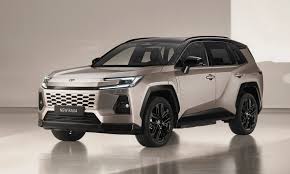
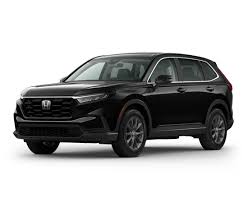
Selecting between these two automotive paradigms is rarely a simple choice based on nominal pricing figures. Instead, it requires a careful evaluation of conflicting engineering philosophies. The Toyota RAV4 champions a rugged design path, relying on large-displacement naturally aspirated combustion systems, mechanically linked all-wheel-drive configurations, and long-term structural durability. Honda, by contrast, approaches the family crossover through the lens of meticulous interior packaging efficiency, leveraging small-displacement forced-induction powertrains, refined continuously variable transmissions, and car-like ride comfort. This exhaustive document breaks down the mechanical foundations, spatial ergonomics, active safety suites, and ownership economics of both platforms to establish the definitive choice for modern families.
2. Core Variables Dictating Family Crossover Selection
When engineering an automobile designed around the needs of growing families, priorities change from performance metrics to spatial ergonomics and safety features. A vehicle that shines on a solitary mountain road can quickly lose its appeal if installing a rear-facing infant car seat requires sliding the front passenger seat uncomfortably forward. Similarly, high-style exterior lines can be a drawback if they result in narrow window configurations that block visibility for toddlers prone to carsickness. Designers working on family crossovers must prioritize rear door opening angles, low load floor heights, child seat latch anchor accessibility, and sturdy interior cabin plastics that resist staining and scuffing from continuous use.
Furthermore, the total cost of ownership extends far beyond the initial down payment or monthly financing fee. Families operate on strict, multi-year operating budgets where unexpected maintenance hiccups can disrupt financial planning. This reality places a heavy emphasis on real-world fuel economy figures, preventative maintenance costs, seasonal tire prices, and insurance premiums. Long-term vehicle reliability and historical market depreciation models are equally crucial. A vehicle that retains a significant chunk of its initial purchase value after five or seven years essentially returns capital back into the family budget when it comes time to trade up to a larger vehicle down the line.
Critical Family Utility Pillars
Beyond simple spec sheets, these specialized layout categories define the daily ownership experience for parents and children alike.
Features ultra-accessible lower anchor attachment wires, wide-angle secondary panoramic rear mirrors, and integrated rear seat alert alarms.
Offers low loading deck sills designed to ease loading bulky strollers, double luggage setups, large sports equipment bags, and grocery runs.
Includes wide rear seat recline positions, dedicated multi-zone rear HVAC vents, fast-charging rear USB ports, and integrated pull-up sunshades.
Optimized fuel maps and low preventative maintenance requirements help shield family funds from high operational inflation.
3. Powertrain Mechanical Analysis: Natural Aspiration vs Forced Induction
Beneath the hoods of these crossovers, Toyota and Honda implement completely different mechanical solutions to achieve the elusive balance between horse power delivery and thermal fuel efficiency. The Toyota RAV4 relies on a 2.5-liter four-cylinder Dynamic Force combustion engine. This naturally aspirated unit uses an advanced dual injection system that switches between direct fuel injectors and port injectors depending on engine load conditions. Operating without a turbocharger, this setup runs at an impressively high 13.0:1 compression ratio, generating 203 horsepower and 184 lb-ft of torque. Toyota pairs this engine with a traditional Direct Shift eight-speed automatic transmission that uses a physical lock-up clutch to minimize power loss, providing a predictable throttle feel during acceleration.
The Honda CR-V uses a small-displacement forced-induction approach, centering its powertrain around a 1.5-liter turbocharged inline-four engine. This compact engine features Honda’s iconic VTEC variable valve timing setup alongside an internal wastegate turbocharger. It produces 190 horsepower and delivers a robust 179 lb-ft of torque across a broad powerband starting at just 1,700 RPM. This layout ensures immediate low-end power, making the vehicle feel responsive and eager when pulling away from stoplights under a full passenger load. Honda routes this power through a highly refined continuously variable transmission (CVT). This transmission uses custom stepped-shift programming designed to simulate conventional gear changes, preventing the loud, continuous engine drone that often plagued older CVT designs.
All-Wheel-Drive Mechanical Topographies
The differences in all-wheel-drive configurations between these two platforms are equally distinct. Base versions of the Toyota RAV4 use a mechanical all-wheel-drive system that can completely decouple the rear axle during highway cruising to maximize fuel efficiency. Higher trim levels upgrade to a sophisticated Dynamic Torque Vectoring system with a rear-axle twin-clutch setup. This advanced system actively routes power between the left and right rear wheels to help stabilize the vehicle when cornering on rain-slicked or snow-covered roads. The Honda CR-V uses its Real Time AWD system with an Intelligent Control Setup. This system utilizes a hydraulic multi-plate clutch system operated by an electric motor. It proactively routes torque to the rear wheels the moment sensors detect front-wheel slippage, prioritizing smooth traction transitions on wet city streets rather than aggressive off-road capability.
Granular Technical Specification Matrix
| Engineering Attribute | Toyota RAV4 (AWD XLE)[cite: 4] | Honda CR-V (AWD EX)[cite: 4] | Analytical Evaluation Category Winner[cite: 4] |
|---|---|---|---|
| Market Retail Pricing Matrix | $32,000 — $40,000 Base Variance[cite: 4] | $31,500 — $39,000 Base Variance[cite: 4] | Honda CR-V (Lower Entry Threshold)[cite: 4] |
| City Driving Fuel Depletion Index | 8.5 Liters / 100 Kilometers[cite: 4] | 8.8 Liters / 100 Kilometers[cite: 4] | Toyota RAV4 (Naturally Aspirated Direct Mapping)[cite: 4] |
| Absolute Cargo Volumetric Floor | 580 Liters Standard Deck Space[cite: 4] | 600 Liters Expanded Deck Space[cite: 4] | Honda CR-V (Superior Volumetric Packing)[cite: 4] |
| Second-Row Lateral Shoulder Width | 142 Centimeters Max Separation[cite: 4] | 145 Centimeters Max Separation[cite: 4] | Honda CR-V (Enhanced Lateral Passenger Space)[cite: 4] |
| Active Driver Assistance Hardware | Toyota Safety Sense 2.5 Software Suite[cite: 4] | Honda Sensing Advanced Sensor Array[cite: 4] | Structural Parity (Identical Testing Scores)[cite: 4] |
| Regional Maintenance Network Volume | Extensive Coverage Infrastructure[cite: 4] | Standard Regional Distribution Footprint[cite: 4] | Toyota RAV4 (Broader Service Access)[cite: 4] |
| 3-Year Residual Market Valuation | 75% Retained Value Standard Tracking[cite: 4] | 70% Retained Value Standard Tracking[cite: 4] | Toyota RAV4 (Lower Depreciation Curve)[cite: 4] |
| Factory Warranty Validation Period | 3 Years / 100,000 Kilometers Limit[cite: 4] | 3 Years / 100,000 Kilometers Limit[cite: 4] | Structural Parity (Identical Warranty Matrices)[cite: 4] |
Contextual Content Display Container (300x250 Medium Rectangle Layout)
Programmatic advertisement integration point. Script layouts execute targeted product banners based on user browsing history and search intent indexes.
4. Interior Packaging Efficiency, Ergonomics, & Second-Row Logistics
Honda has long been recognized for its exceptional interior packaging design, and the current CR-V showcases this expertise beautifully. The rear passenger doors swing open to a nearly 90-degree angle, creating a wide clearance that makes loading a bulky child car seat or buckles up an active toddler remarkably easy. Once inside, rear passengers enjoy an impressive 145 centimeters of lateral shoulder room and a flat cabin floor profile that allows three passengers to sit comfortably across the rear bench without fighting for foot space. The rear seatbacks can tilt backward through several predefined angles, transforming the second row into a relaxing lounge space for teenagers during long interstate family road trips.
The Toyota RAV4 presents a more rugged, truck-inspired cabin layout. The dashboard features large, rubberized control dials for the climate control system, making them incredibly easy to adjust while wearing gloves or tracking winter weather conditions. While the front seats offer excellent lumbar support for long drives, the rear seats space feels slightly tighter than the CR-V. Second-row passenger shoulder width measures 142 centimeters, and the central drivetrain tunnel creates a minor bump in the rear floorboard that limits foot room for the middle passenger. Additionally, the RAV4’s rear doors have a narrower opening arc, which demands a bit more physical effort when lifting heavy rear-facing infant carriers into their locking bases.
Volumetric Cargo Loading Metrics
When it comes to cargo capacity, the Honda CR-V continues to lead the segment with 600 liters of dedicated luggage volume behind the second row. Lowering the one-touch rear seat lever reveals a flat loading floor that accommodates full-size bicycle frames or furniture boxes with ease. The RAV4 counters with 580 liters of highly usable cargo space. To make up for the slight deficit in volume, Toyota includes a clever, reversible floorboard panel with a carpeted side for daily use and a hard, plastic underside that can be easily hosed off after hauling wet muddy boots, wet beach towels, or outdoor camping gear.
5. Ride Comfort, Suspension Tuning, and Noise Cabin Isolation
A vehicle's ride character can define the tone of a family trip, directly impacting passenger comfort and driver fatigue during long days behind the wheel. The Honda CR-V uses a suspension system tuned specifically for compliance and smooth ride manners. It features MacPherson struts up front combined with an independent multi-link rear suspension assembly mounted to isolated subframes. This setup isolates the cabin from sharp road imperfections, turning harsh expansion joints and cracked asphalt into muted thuds. Honda engineers also include liquid-filled compliance bushings that absorb unwanted vibrations before they reach the steering column, keeping the cabin calm and serene.
The Toyota RAV4 is built on the firm foundation of Toyota's Global Architecture (TNGA-K) platform. This platform features an exceptionally rigid structure that gives the RAV4 a confident, planted feel when cruising at highway speeds. The suspension damping is slightly firmer than the CR-V's, which minimizes body roll when cornering with a vehicle loaded down with luggage. The trade-off is a bit more feedback from the road surface, as sharp bumps can create a busier ride profile inside the cabin. To control Noise, Vibration, and Harshness (NVH), Toyota uses extensive sound-deadening insulation mats under the hood, but the 2.5-liter engine can still produce a noticeable mechanical buzz during hard acceleration or when climbing steep mountain grades under load.
6. Safety Systems: Toyota Safety Sense vs Honda Sensing Telemetry
Safety remains a top priority for families when cross-shopping mid-size crossovers, and both manufacturers invest heavily in comprehensive active driver assistance systems. The Toyota RAV4 features the Toyota Safety Sense (TSS 2.5) suite as standard equipment across all trim levels. This system uses a forward-facing optical camera paired with a millimeter-wave radar sensor array. The system includes pre-collision warning with pedestrian detection, lane departure alerts with active steering assist, and full-speed dynamic radar cruise control. The active lane-keeping software tracks lane markings reliably, providing smooth steering inputs that reduce driver strain during long, tedious highway trips.
The Honda CR-V counters with its proprietary Honda Sensing safety suite, which uses a wide-angle radar unit and a broad 90-degree camera field of view. This expanded viewpoint improves the vehicle's ability to detect cyclists, pedestrians, and cross-traffic at complex intersections. The system also includes Traffic Jam Assist, a feature that combines low-speed braking control with steering assistance to help manage stressful, stop-and-go rush-hour traffic. Both the RAV4 and the CR-V earn top safety marks, securing Five-Star overall ratings from the National Highway Traffic Safety Administration (NHTSA) and Top Safety Pick honors from the Insurance Institute for Highway Safety (IIHS), giving parents valuable peace of mind.
✅ Toyota RAV4 Structural Advantages
- Legendary mechanical reliability backed by decades of proven field performance.
- Extensive regional service network ensures easy access to parts and specialized support.
- Highly competitive resale value curves protect initial family investments.
- Simple, naturally aspirated engine design eliminates expensive long-term turbocharger maintenance.
- Reversible plastic cargo floor panel makes cleaning mud, dirt, and spills incredibly easy.
- Planted, predictable handling provides confidence across a wide variety of weather conditions.
❌ Toyota RAV4 Systemic Disadvantages
- Traditional cabin layout can feel dated compared to newer, screen-heavy competitor designs.
- Firmer suspension tuning can transmit sharp road shocks directly into the passenger seats.
- Engine acoustics can become loud and buzzy under heavy acceleration loads.
- Narrower rear door opening angles make installing large child safety seats more difficult.
- Infotainment software displays occasional lag when processing complex navigation maps.
✅ Honda CR-V Structural Advantages
- Generous passenger cabin layout provides excellent second-row legroom and shoulder room.
- Rear doors open to a wide 90-degree angle for effortless child seat loading.
- Large 600-liter cargo hold leads the compact crossover class in total volume.
- Turbocharged engine provides smooth, strong torque low in the RPM range for confident city driving.
- Compliant suspension tuning absorbs road harshness for a smooth, relaxed ride.
- Modern, clean dashboard layout features intuitive controls and crisp digital displays.
❌ Honda CR-V Systemic Disadvantages
- Long-term resale valuation soft patches trend slightly below Toyota’s historical benchmarks.
- Small-displacement turbo engine requires strict maintenance and high-quality oil to prevent internal wear.
- Real Time AWD system is optimized for wet pavement rather than rugged off-road paths.
- Rear window shape can slightly restrict the driver's over-the-shoulder visibility when parking.
- Base model configurations carry a slightly higher initial entry cost relative to equivalent value trims.
7. Long-Term Maintenance Topography & Structural Ownership Projections
Managing a family budget involves looking past upfront costs to project ongoing maintenance expenses over a multi-year ownership cycle. The mechanical choices made by Toyota and Honda create distinct maintenance pathways as vehicles cross the five-year or 100,000-kilometer threshold. The Toyota RAV4’s naturally aspirated 2.5-liter engine operates under lower thermal stress than small, turbocharged engines. This simplicity means fewer components like wastegates, intercoolers, and complex vacuum lines are exposed to wear and tear. Furthermore, Toyota's large footprint across local markets guarantees a steady supply of affordable OEM replacement parts and wide access to certified technicians, keeping routine repair costs highly competitive.
The Honda CR-V’s 1.5-liter turbocharged engine requires careful attention to preventative maintenance. Small-displacement engines running high turbo boost pressures operate under elevated thermal conditions, making regular oil changes critical to avoid premature wear on the turbocharger assembly's internal bearings. Additionally, Honda's continuously variable transmission demands strict adherence to fluid service intervals to maintain its smooth operational character. While these requirements demand a disciplined maintenance routine, the CR-V compensates by offering excellent fuel efficiency during daily short-distance city trips, protecting family funds from volatile fuel price spikes over the long run.
Comprehensive Global Cost & Pricing Tracking Matrix
Below is a standardized breakdown of common investment parameters, component tiers, and projected operating expenses associated with five-year crossover ownership models.
Toyota RAV4 Asset Projections
• Entry-Tier Configuration: $32,000
• Mid-Level Value Tier: $36,000
• Premium Luxury Variant: $40,000
• Advanced Hybrid Upgrade: $42,000+
Honda CR-V Asset Projections
• Entry-Tier Configuration: $31,500
• Mid-Level Value Tier: $35,000
• Premium Luxury Variant: $38,500
• Advanced Hybrid Upgrade: $41,000+
Projected Annual Operating Estimates
• Fuel Consumption (15k km): $1,200 — $1,500
• Comprehensive Insurance Plan: $600 — $900
• Routine Scheduled Maintenance: $250 — $400
• Miscellaneous Wear Components: $150 — $300
Strategic Acquisition Note: Purchasing family utility vehicles through authorized franchise dealership channels ensures access to factory warranty extension plans and certified technician support. Toyota maintains a broader network of factory-authorized service points across secondary regional markets, while Honda centers its primary dealership hubs around major metropolitan areas.
Programmatic Content-Match Container (336x280 Large Square Banner)
Targeted marketing grid insertion. High-yield algorithmic filters display contextually relevant insurance, financing, or tire options based on localized user demographics.
8. Strategic Decision Framework: Balancing Rugged Utility and Interior Comfort
Choosing between the Toyota RAV4 and the Honda CR-V ultimately comes down to identifying which crossover philosophy best aligns with your family's lifestyle and driving habits. The Toyota RAV4 is built for durability, using a naturally aspirated engine, an eight-speed automatic transmission, and an available torque-vectoring all-wheel-drive system. It is the ideal companion for active families who frequently head outdoors, navigate unpaved access roads, or plan to hold onto their vehicle for a decade or more, where low depreciation and straightforward mechanical service are paramount.
The Honda CR-V approaches family life with a clear focus on interior hospitality, maximizing everyday passenger comfort and spatial efficiency. Its wide-opening rear doors, massive cargo hold, and class-leading second-row legroom make it incredibly adept at handling the chaotic demands of family life. If your weekly schedule is defined by urban commuting, school carpools, and weekend sports tournaments, the CR-V's smooth ride and quiet cabin create a relaxing sanctuary that helps ease the stresses of a busy family routine.
To dive deeper into alternative vehicle reviews, explore our comparison library at Automotive Comparisons Portal, or check out our direct brand deep-dives at Main Comparison Index.
The Definitive Crossover Recommendation
Both models represent the absolute pinnacle of development within the family crossover segment, earning their spots through decades of continuous refinement. When making a final choice, consider these core strengths:
Choose the Toyota RAV4 if your priorities lean toward:
• Long-term mechanical simplicity and high structural durability across varied road conditions.
• Maximizing long-term resale value and lowering overall vehicle depreciation curves.
• Accessing a broad network of regional service centers and affordable replacement parts.
• A rugged design profile paired with confident, torque-vectoring all-wheel-drive traction.
Choose the Honda CR-V if your priorities lean toward:
• Exceptional second-row cabin packaging that provides class-leading legroom and shoulder space.
• Wide-opening 90-degree rear doors that make installing child safety seats quick and easy.
• Maximum available cargo capacity behind the second row for large, bulky items.
• A soft, compliant suspension tuning that delivers excellent ride comfort over rough urban roads.
The Final Verdict: For drivers operating in regions with changing weather patterns who prioritize long-term resale value and rugged mechanical durability, the Toyota RAV4 emerges as the most complete long-term choice. For urban families who place premium comfort, interior space, and daily passenger ergonomics above all else, the Honda CR-V earns the top spot.
The Complete Balanced Long-Term Family Utility Choice