Gree vs Samsung Air Conditioners
12000 BTU Inverter Systems - The Ultimate Technical Comparison and Buyer's Guide

GREE
Installation: $50 Additional
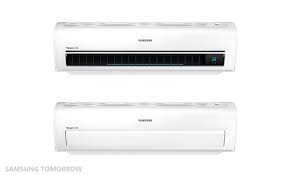
SAMSUNG
Installation: Free Included
1. The Evolution of Climate Control Systems and Global Competition
Choosing an air conditioner for modern residential and commercial infrastructure is no longer merely a seasonal requirement to escape the summer heat. It has evolved into a long-term strategic decision concerning energy conservation, indoor air quality (IAQ), smart home integration, and overall cardiovascular and respiratory health. Today, the global home appliance market is witnessing intense competition between two completely different engineering philosophies. On one side stands Gree Electric Appliances, a Chinese engineering behemoth that specializes almost exclusively in climate control systems. Their primary focus has always been on raw mechanical durability, heavy-duty raw materials, and compressor longevity. On the other side is Samsung Electronics, the South Korean technological giant that has consistently pushed the boundaries of what home appliances can achieve by integrating cutting-edge digital technologies, artificial intelligence (AI), and unparalleled user interface design.
A 12000 BTU (British Thermal Unit) split-system air conditioner is typically engineered to provide stable thermal regulation for rooms measuring between 35 to 40 square meters. However, the speed at which the temperature is reduced or increased, the actual electrical power consumption during this thermodynamic process, and how the system behaves when outdoor temperatures reach extreme levels (such as scorching summer heat waves or severe winter frosts) depend entirely on the internal mechanical and electrical architecture of the unit. Without a deep understanding of these technical parameters, consumers frequently make erroneous purchasing decisions based solely on brand prestige or superficial exterior design aesthetics. In this comprehensive technical article, we will meticulously analyze the compressor architecture, filtration mechanisms, smart control modules, and long-term economic value of both brands.
2. Deep Dive: Compressor Architecture and Inverter Technology
The Mastery of Gree's G10 and G-Matrik Inverter Engineering
The most formidable competitive advantage of the Gree corporation lies precisely in its proprietary compressor technology. Gree's inverter systems heavily utilize their patented low-frequency control technology, often branded as G-Matrik or G10 Inverter technology. This highly sophisticated engineering allows the compressor to operate at incredibly low rotational speeds (down to 1 Hz) without causing the structural vibrations typically associated with traditional compressors. This results in minimal energy consumption once the target ambient temperature is reached. Furthermore, the mechanical components housed within the external unit are forged from thickened metal alloys. This over-engineering significantly extends the lifespan of the outdoor unit and provides exceptional resilience against mechanical stress and harsh weather conditions.
Particularly in regions where the electrical grid is unstable or prone to voltage fluctuations, Gree air conditioners demonstrate remarkable reliability. Their internal printed circuit boards (PCBs) are constructed with robust protective mechanisms. This allows the air conditioning unit to absorb and mitigate voltage spikes within a specific range without requiring an external voltage stabilizer, thereby protecting the delicate microprocessors from catastrophic electrical failure.
Samsung's Digital Inverter Boost: The Pinnacle of Efficiency
In contrast, Samsung's climate engineers have focused their massive R&D resources on maximizing motor speed variability and electrical efficiency amplitude. The Samsung Digital Inverter Boost technology utilizes an advanced 8-pole motor architecture, a significant upgrade from the traditional 4-pole motors found in standard compressors. This precise technical solution allows the compressor to rapidly achieve its maximum rotational torque while drawing the absolute minimum necessary electrical current.
The practical result of this 8-pole design is highly noticeable to the end-user: the ambient air in the room is cooled up to 43% faster than with conventional non-inverter models. Because Samsung's advanced systems operate utilizing strong neodymium magnets, mechanical friction within the compressor is reduced to near-zero levels. This dramatic reduction in internal friction not only maximizes the overall Seasonal Energy Efficiency Ratio (SEER) but also slashes the operational noise output, creating a whisper-quiet indoor environment that is perfect for bedrooms and study areas.
3. Energy Efficiency (SEER/EER) and Thermal Stability in Extreme Weather
In various global climates, particularly in regions that experience severe continental weather patterns, outdoor temperatures can easily exceed 45°C (113°F) in the shade during the peak of summer, and plummet to -15°C (5°F) during the dead of winter. Such extreme temperature deltas place immense thermodynamic strain on climate control hardware. Gree models are equipped with high-pressure heat exchangers and large-surface-area condenser coils, ensuring that even when the ambient outdoor temperature is dangerously high, the system does not lose its cooling efficiency or suffer from thermal throttling.
In heating mode, a Gree 12000 BTU inverter unit can provide stable, comfortable warmth even in freezing -15°C conditions. This is made possible by Gree's highly perfected intelligent defrosting algorithms (Smart Defrost). Unlike standard units that defrost on a rigid timer (wasting energy), Gree's microprocessors monitor the actual ice buildup on the outdoor coils and initiate the defrost cycle only when absolutely necessary, thereby maintaining a steady flow of warm air into the room.
Samsung, on the other hand, has revolutionized the industry with its proprietary WindFree™ cooling technology. A common physiological complaint among air conditioner users is the uncomfortable sensation of cold drafts hitting their skin, which can lead to muscle stiffness or mild respiratory discomfort. Samsung elegantly solves this with WindFree™. When the room reaches the desired temperature, the primary air louvers close. The chilled air is then gently dispersed through 23,000 microscopic perforations located on the front panel of the indoor unit. This creates a "still air" environment—cooling the room evenly without any perceptible draft. Crucially, operating the unit in WindFree™ mode reduces electricity consumption by an astounding 77%, making it the ultimate economical solution for users who run their AC units overnight.
4. Advanced Indoor Air Quality (IAQ) and Filtration Protocols
Modern air conditioners must do more than just alter the temperature; they are on the front lines of defending Indoor Air Quality (IAQ). Both Gree and Samsung take air purification incredibly seriously, but their approaches differ based on target demographics and technological philosophies.
Gree's High-Density Filtration
Gree utilizes a robust, multi-stage High-Density (HD) filter system often combined with cold plasma or traditional HEPA elements depending on the specific tier of the 12000 BTU model. The primary focus here is capturing particulate matter. The high-density mesh is incredibly effective at trapping pet dander, large dust particles, and pollen. Additionally, Gree integrates an X-Fan (Auto Clean) function. After the unit is turned off, the internal cross-flow fan continues to run for a few minutes to completely dry the indoor evaporator coil. This prevents the dark, damp conditions that allow mold, mildew, and foul-smelling bacteria to breed, ensuring the air remains fresh during the next use.
Samsung's Tri-Care and Virus Doctor Innovations
Samsung approaches filtration from a biochemical and microbiological standpoint. Their premium models feature the Tri-Care Filter system, which includes a high-density particulate filter layered with a Zeolite coating. Beyond just trapping dust, Samsung's renowned Virus Doctor (or SPI - Samsung Super Plasma Ion) technology actively generates active hydrogen and oxygen ions. These ions are released into the room where they actively seek out and neutralize airborne viruses, harmful bacteria, and allergens by disrupting their cellular structure. This active neutralization process provides peace of mind for families with infants, elderly members, or individuals suffering from severe asthma and seasonal allergies.
5. Smart Home Integration, IoT, and AI Capabilities
As we move deeper into the era of the Internet of Things (IoT), the ability to control home appliances remotely is no longer a luxury—it is a standard expectation. The connectivity ecosystems of these two brands reflect their overall corporate backgrounds.
Gree provides a highly stable, functional, and straightforward WiFi connectivity module. Through the Gree+ native smartphone application (available on both iOS and Android), users can turn the unit on or off, adjust temperature settings, set timers, and control fan speeds from anywhere in the world. It is a utilitarian approach that focuses on reliability and ease of use, ensuring that even users who are not tech-savvy can easily cool their homes before arriving from work.
Samsung, being a dominant force in the global smartphone and digital ecosystem market, takes smart integration to an entirely different level via its SmartThings platform. A Samsung 12000 BTU AC is not just an appliance; it is a node within a comprehensive smart home network. Through the SmartThings app, users can not only control the AC but also automate it based on geolocation (e.g., the AC turns on when your phone's GPS registers you are 2 miles away from home). Furthermore, Samsung integrates Artificial Intelligence (AI Auto Cooling). The AI analyzes your room's thermal conditions, your historical usage patterns, and real-time outdoor weather data from the internet to automatically switch between cooling modes, ensuring optimal comfort and minimum electricity usage without you ever having to touch the remote control. Voice control via Bixby, Amazon Alexa, and Google Assistant is seamlessly supported.
6. Refrigerant Science: R32 and Environmental Impact
Both Gree and Samsung have heavily transitioned their 12000 BTU inverter models to use the modern R32 refrigerant. Understanding why this matters requires a brief look at HVAC chemistry. Older units relied on R22 (which depletes the ozone layer) or R410A. While R410A does not deplete the ozone layer, it possesses a high Global Warming Potential (GWP). R32 represents a massive leap forward. It has a GWP that is roughly 68% lower than R410A, making it significantly more eco-friendly. Moreover, R32 possesses superior thermodynamic properties; it transfers heat more efficiently. This means that both Gree and Samsung units require a smaller volume of refrigerant to achieve the same cooling capacity, which directly translates to the lower electricity bills and the high energy efficiency ratings we discussed earlier.
7. Installation Best Practices and Long-term Maintenance Protocols
Regardless of whether you choose the mechanical resilience of Gree or the digital brilliance of Samsung, the longevity of a 12000 BTU split-system depends heavily on proper installation and routine maintenance.
- Vacuum Pump Evacuation: During installation, it is absolutely critical that the technicians use a vacuum pump to remove ambient air and moisture from the copper refrigerant lines before releasing the R32 gas. Failure to do this will mix moisture with the refrigerant, creating corrosive acids that will destroy the compressor from the inside within a few years.
- Clearance and Airflow: The outdoor unit (condenser) must be installed in a location that allows for adequate airflow. Placing it in tight, enclosed spaces prevents the heat from escaping, which causes the compressor to overheat and dramatically increases electricity consumption.
- Filter Maintenance: To maintain the SEER ratings and indoor air quality, the washable filters on both Gree and Samsung units should be removed and rinsed under lukewarm water every 3 to 4 weeks during peak usage seasons.
- Annual Professional Servicing: At least once a year, preferably before the summer season begins, a certified HVAC technician should perform a chemical wash of the indoor evaporator coils and check the system's refrigerant pressure.
8. Comprehensive Cost Analysis and Return on Investment (ROI)
When evaluating the financial aspect of purchasing an air conditioner, one must look beyond the initial retail price and calculate the Total Cost of Ownership (TCO) over a projected 7 to 10-year lifespan.
Gree's Economic Value: Gree typically enters the market at a slightly lower initial price point (averaging around $450 for a 12000 BTU Inverter unit, plus installation). Because Gree manufactures almost all of its components in-house (including the compressors), spare parts are widely available and generally inexpensive. The ROI with Gree is realized through upfront savings and low long-term repair costs.
Samsung's Long-term Savings: A Samsung unit will demand a higher initial investment (around $550, though promotional offers often include free installation). However, the Samsung ROI is realized through monthly operational savings. The combination of the Digital Inverter Boost and the incredibly efficient WindFree™ technology means that the Samsung unit will consume noticeably less electricity month over month. If you live in an area with high electricity tariffs, the Samsung unit will likely pay for its higher initial cost within the first two to three years through lower utility bills.
9. Frequently Asked Questions (FAQ)
Q1: Can a 12000 BTU Air Conditioner cool a whole house?
A: No. A 12000 BTU unit is specifically sized to effectively cool or heat a single enclosed space of approximately 35 to 40 square meters (roughly 350 to 450 square feet), depending on ceiling height and insulation. Using it to cool an entire house will overwork the compressor, prevent the room from reaching the desired temperature, and lead to premature mechanical failure.
Q2: Why should I choose an Inverter model over a non-inverter (fixed-speed) model?
A: Non-inverter models operate on a simple binary principle: the compressor is either operating at 100% capacity or it is completely off. This constant starting and stopping consumes a massive amount of electricity and creates noticeable temperature fluctuations in the room. Inverter models (both Gree's G-Matrik and Samsung's Digital Inverter) act like a car's accelerator pedal. Once the room reaches the desired temperature, the compressor smoothly slows down, maintaining the temperature using minimal electricity. Inverters save 30% to 50% on energy bills compared to standard units.
Q3: What does the 'Auto Clean' function actually do?
A: When an air conditioner runs, condensation forms on the internal coils. If turned off immediately, this moisture sits in the dark interior, promoting mold growth. The Auto Clean function keeps the fan running for a short period after you power off the unit. This airflow completely dries the internal components, preventing odors and prolonging the life of the unit.
Q4: Is the R32 refrigerant dangerous or flammable?
A: R32 is classified as A2L, which means it is "mildly flammable." However, it is entirely safe for residential use. It requires a very high concentration and a specific direct ignition source to ignite. The global HVAC industry has rigorously tested and adopted R32 because its environmental benefits and energy efficiency vastly outweigh the negligible risks when handled by certified installation professionals.
Q5: How often do I need to recharge the Freon (refrigerant)?
A: Air conditioners are closed-loop systems. You should technically never need to "recharge" or top up the refrigerant unless there is a physical leak in the copper piping or the valve connections. If a technician tells you that you need freon every year, you have a leak that needs to be permanently welded and repaired, not just refilled.
Q6: Does leaving the AC on all day save money compared to turning it off and on?
A: This is a common myth. With modern inverter technology, it is highly efficient. If you are leaving the room for 10-15 minutes, it is better to leave it running. However, if you are going to work for 8 hours, it is always more energy-efficient to turn the unit off (or use your smart app to raise the thermostat by 5-10 degrees), and turn it back down shortly before you return.
After comprehensive technical analysis, Samsung emerges as the winner due to its groundbreaking WindFree™ draftless cooling technology, advanced AI-driven energy efficiency, and superior SmartThings IoT ecosystem. However, Gree remains an outstanding choice for consumers prioritizing absolute mechanical durability and a lower initial purchase price.
Core GREE Features
- G-Matrik Inverter - Conserves up to 40% electricity.
- High-Density HEPA Filtering - Captures micro-dust, allergens, and fungi.
- Gree+ Smart Control - Native smartphone app functionality.
- Turbo Cooling Mode - Rapidly decreases room temperature.
- Advanced Sleep Mode - Operates at an ultra-quiet 23 dB to 28 dB.
- I-Feel Technology - Remote control senses temperature around you.
- 4-Way Auto Swing - Evenly distributes conditioned air horizontally and vertically.
- Smart Defrost - Efficient heating even at -15°C external temperature.
Core Samsung Features
- Digital Inverter Boost - Massive 77% energy savings in WindFree mode.
- Virus Doctor / Tri-Care - Actively neutralizes airborne viruses and bacteria.
- WindFree™ Technology - Revolutionary draft-free comfort cooling.
- SmartThings App Integration - Full smart home automation and voice control.
- 3-Step Auto Clean - Ensures internal coils remain dry and mold-free.
- Fast Cooling Engine - Reaches target temperatures 43% faster.
- Durafin™ Plus - Anti-corrosive coating on the outdoor condenser.
- AI Auto Cooling - Artificial intelligence optimizes settings based on usage patterns.
Advanced Air Filtration Technologies
Both manufacturers have engineered highly capable air purification systems to protect indoor air quality (IAQ). Gree relies on robust, multi-layered particulate capture, while Samsung incorporates active biochemical neutralization.
⭐ Traps 99% of large dust particles and pet dander.
⭐ Washable and reusable design lowers maintenance costs.
⭐ Prevents mold spore circulation.
⭐ Integrates with the internal X-Fan drying feature.
⭐ Requires manual cleaning every 3-4 weeks for peak performance.
⭐ Generates active ions to neutralize 99.9% of bacteria and viruses.
⭐ Features high-density mesh with anti-bacterial coating.
⭐ Significantly reduces airborne allergens for asthma sufferers.
⭐ Automated filter cleaning reminders via the SmartThings app.
⭐ Provides hospital-grade air purification in a residential unit.
Smart Home Integrations & IoT Capabilities
Welcome to the future of home automation. Both systems feature built-in WiFi modules, allowing you to bypass the traditional remote control entirely and manage your home's climate directly from your digital devices, anywhere in the world.
Advanced Scheduling
Program precise daily and weekly temperature routines that align perfectly with your family's waking and sleeping hours.
Global Remote Access
Utilize cloud-based smartphone applications to turn on the AC before you leave the office, ensuring a cool home upon arrival.
Energy Analytics
Monitor real-time electrical consumption data, allowing you to adjust usage habits and accurately predict monthly utility bills.
Diagnostic Alerts
Receive instant push notifications for mandatory filter cleaning schedules or if the system detects an internal electronic error.
Not sure which unit fits your specific room size or local climate? Leave a request and our certified engineers will provide customized installation guidance.