Introduction: Common Traps When Choosing a New Washer
When it’s time to buy a new washing machine, most of us make a decision based on the fancy promises made by store salesmen or confusing technical specs on the brochure. In reality, we only need three or four main things for daily life: the machine should wash clothes cleanly, it shouldn't ruin delicate fabrics, it must last for years without breaking down, and most importantly—it shouldn't rumble like an earthquake when running a midnight cycle. Today, we are comparing two brands that dominate the market and spark endless debates among homeowners: South Korea's LG and Germany's Bosch.
Before writing this guide, we didn't just read the technical booklets. We gathered feedback from real families who have used these machines for over 3 to 5 years, along with tips from local repair technicians. Our goal isn't to praise one brand over another, but to give you an honest breakdown so you don't regret spending your hard-earned money.
Real Home Experience (Sarah’s Tip):
"Our old washing machine screamed like a jet engine during the spin cycle. After upgrading to a modern inverter model, the difference was night and day—I can easily run a load while the baby is sleeping in the next room without hearing a thing."
1. The Motor Battle: LG Direct Drive vs. Bosch EcoSilence Drive
Let’s start with the heart of the machine—the motor. Nowadays, both brands have abandoned old-school brushed motors in favor of modern inverter technology. This means there are no friction-heavy parts inside the motor, so they wear out incredibly slowly and save a massive amount of electricity. However, how they are actually built is completely different.
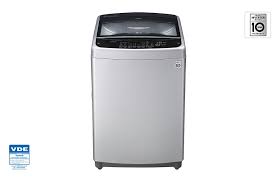
LG is immensely proud of its "Direct Drive" system. In this design, the motor is attached directly to the back of the wash drum. There is no rubber belt or pulley mechanism connecting them. Why is this good? Since there is no belt, there’s zero risk of it snapping or slipping over time. It also significantly cuts down on structural vibrations during high-speed spinning. LG trusts this setup so much that they back their motors with a solid 10-year official warranty.
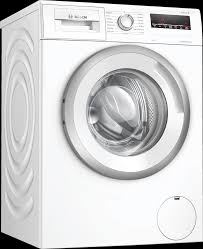
Bosch, on the other hand, relies on a classic belt-driven system for its "EcoSilence Drive" motor, but the motor itself is a masterclass in engineering. To compensate for the belt setup and damp the noise, German engineers redesigned the side walls of the outer chassis with unique wavy patterns called "AntiVibration" panels. While there is a belt to look after, Bosch uses heavy-duty compounds that typically run flawlessly for 7 to 8 years before requiring any attention.
2. Washing Features & Programs: Which One is Smarter?
When it comes to treating your laundry, LG focuses heavily on "smart" features. For example, their AI DD system doesn't just measure the weight of the laundry you throw in; it actually senses the softness or thickness of the fabrics. If you put in delicate blouses, the drum rotates gently to prevent stretching. If it detects heavy denim jeans, it uses a more rigorous tumble pattern. Families with young kids will also love LG's "Steam" feature, which uses high-temperature steam to neutralize invisible allergens and common household bacteria.
Bosch takes a different path, focusing more on practical precision than digital bells and whistles. Their famous "ActiveWater Plus" system uses highly sensitive water sensors to measure the load down to the exact gram, drawing only the precise amount of water needed. Not a single drop is wasted. Another fantastic addition is the "SpeedPerfect" mode, which lets you cut down the washing time by up to 65% if you are in a rush, without sacrificing the actual cleaning quality.
3. Reliability, Long-Term Lifespan, and Repair Costs
If you ask seasoned appliance repair technicians which brand ends up in the repair shop less often, the majority will point to Bosch. The reasoning is simple: the build quality of Bosch components, from the thickness of the outer metal casing to the quality of the internal plastics, follows incredibly high manufacturing standards. If maintained properly, a Bosch washer can easily pass 10 to 15 years without needing a single service call. The catch? If a Bosch machine *does* break down unexpectedly, genuine replacement parts are notoriously expensive and sometimes require a long wait.
LG is much more consumer-friendly in the long run. Since they sell in massive volumes globally, replacement parts for LG models are cheap, highly accessible, and can be fixed by almost any local repairman. LG machines also look incredibly modern with sleek, responsive touch screens. However, the outer plastic buttons and trims can feel slightly less sturdy over time compared to the industrial build of a Bosch.