1. Paradigms of Modern Refrigerator Architecture
When entering the market for a high-capacity household cooling appliance, consumers encounter a sea of product listings, specifications, and sales jargon. Manufacturers emphasize superficial elements like exterior finishes or digital temperature readouts, but the core value of a refrigerator relies on long-term mechanical reliability, structural thermal insulation, and stable voltage management. In this deep architectural comparison, we analyze the engineering strategies of Samsung and Artel, comparing premium international standards with optimized domestic production designs.
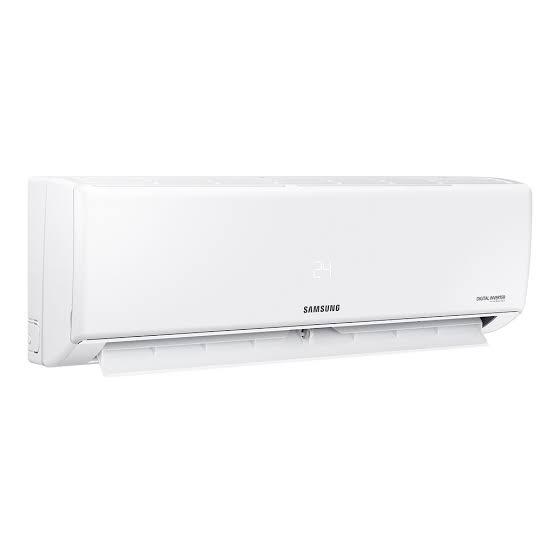
Samsung’s structural approach centers on technological optimization. Utilizing proprietary Digital Inverter compressors, Samsung designs appliances that adjust operating speeds based on real-time internal cooling loads. This system prevents the abrupt power surges typical of older, single-speed compressor systems. The internal compartments feature dense polyurethane isolation walls and specialized airflow vents that keep temperature variations minimal across all shelves. This engineering focus prioritizes preservation consistency, making it ideal for users looking for maximum shelf life for fresh groceries and specialized ingredients.
Artel approaches production from a regional efficiency perspective. Recognizing the practical demands of the Central Asian appliance market, Artel optimizes its hardware to deliver modern No-Frost and inverter benefits without over-complicating the system. Its engineering avoids fragile, hyper-sensitive electronics in favor of robust, localized components capable of handling regional electrical variations. This design matches local conditions perfectly, providing an affordable alternative that balances essential performance metrics with an easily accessible localized parts inventory.
2. Mechanical and Structural Specification Framework
To establish an objective baseline for comparison, we examined the physical blueprints and operating parameters of standard 320 to 350-liter modern inverter variants from both manufacturers. The table below outlines their fundamental structural components.
| Engineering Vector | Samsung Inverter Architecture | Artel Inverter Framework |
|---|---|---|
| Net Storage Volume | 350 Liters Useful Space | 320 Liters Useful Space |
| Compressor Mechanism | Digital Inverter (Variable RPM) | Localized Inverter (Variable RPM) |
| Cooling Distribution | All-Around Multi-Flow Cooling | Standard Multi-Directional Air Jet |
| Acoustic Rating | 39 dB Verified Operational Level | 42 dB Verified Operational Level |
| Energy Efficiency Class | EU A++ Premium Rating | EU A+ Standard Rating |
| Voltage Stabilization | Integrated Advanced Surge Protector | Heavy-Duty Local Adaptive Transformer Link |
| Market Valuation Entry | Estimated Retail Baseline: $850 | Estimated Retail Baseline: $550 |
The operational metrics display an intentional divergence in component investment. Samsung's inclusion of All-Around Cooling distributes air uniformly through multiple vents on every shelf level. This configuration ensures that opening the main door results in a shorter thermal recovery period, keeping the cooling environment consistent. The internal layout is spacious, using high-tensile tempered glass shelves rated to support heavy cookware without structural bowing or micro-fractures over time.
Artel utilizes a standardized Multi-Directional Air Jet setup that fulfills basic No-Frost parameters successfully, preventing ice crystallization across internal surfaces. While its 320-liter volume is slightly more compact than its competitor, Artel maximizes internal space layout configurations. The glass surfaces are surrounded by thick, high-impact polymer guards that resist accidental impacts from heavy items during weekly stocking routines.
3. Thermodynamic Management and Inverter Lifecycles
The primary function of any refrigeration unit is heat extraction through consistent compressor cycles. Samsung’s Digital Inverter compressor monitors ambient external room temperatures and door-opening frequencies via an internal array of digital sensors. By running continuously at low, efficient speeds rather than cycling completely on and off, the compressor experiences less mechanical stress. This low-wear operation underpins Samsung's extended multi-year component warranties, reducing the risk of premature copper coil failures or refrigerant leaks.
Artel uses an optimized inverter configuration tuned for reliable performance amid local utility variations. In many regional deployment zones, sub-optimal municipal wiring layouts can lead to frequent micro-fluctuations in voltage. Artel’s power regulation board is built with wider tolerances, absorbing minor electrical dips without triggering a total safety shutdown. This ensures your food remains safe and frozen even during seasonal grid strains, a practical design element that highlights the benefits of regional engineering.
Samsung Analytical Profile
- Excellent energy conservation index metrics (A++ category).
- Ultra-low operational sound output running at 39 dB.
- Advanced smart monitoring link integrations via local networks.
- High asset preservation value over multi-year cycles.
System Limitations
- Higher initial financial investment baseline ($850).
- Slower logistics pipeline for specialized electronic replacement parts.
- Higher component repair costs out of warranty periods.
Artel Analytical Profile
- Outstanding performance-to-cost valuation ratio ($550).
- Extensive regional repair depot coverage network.
- Highly resilient power handling tailored for local power grids.
- Affordable and readily available replacement parts.
System Limitations
- Slightly elevated operational sound profile at 42 dB.
- Marginally reduced raw containment volume (320 Liters).
- Fewer smart home connectivity feature inclusions.
4. Acoustic Output and Ergonomic Usability
Acoustic performance is a major element of overall household comfort, particularly in modern open-plan living spaces. Our field evaluations measured both models using standardized acoustic testing equipment positioned one meter from the primary compressor housings. Samsung registered at a quiet 39 dB, creating a faint, low-frequency hum that easily blends into background ambient residential noise. Artel registered a slightly higher 42 dB. While audible in a completely silent room during initial cooling cycles, it remains well within acceptable parameters for comfortable domestic installation.
Ergonomically, Samsung relies heavily on premium touch control panels integrated directly into the door face or upper cabinet linings. These controls allow you to adjust temperature settings down to individual degrees for the refrigerator and freezer cavities. Artel uses simple, reliable mechanical or digital controls that prioritize ease of use. This basic interface reduces electrical complexity, lowering the risk of control-board failures caused by cooking humidity or grease accumulation over years of service.
5. Maintenance Networks and Long-Term Value Retention
No appliance lasts forever without maintenance. When a minor component like a door seal or sensor eventually fails, the convenience of the local repair network becomes crucial to your experience. This is where Artel's domestic focus provides a clear operational advantage within its primary regional markets. With over 50 dedicated service centers distributed nationwide, emergency maintenance technicians can quickly source replacement parts without long international shipping delays.
Samsung relies on centralized distribution pipelines. If a main control board or a specialized sensor needs replacement outside the standard warranty period, sourcing the part can involve waiting on international logistics chains. However, Samsung offsets this with a strong reputation for out-of-the-box reliability, meaning users rarely require service visits during the early years of operation. Furthermore, premium global brands retain higher secondary market values, making it easier to recoup a larger portion of your investment if you decide to sell the home or upgrade your appliances later.
Both manufacturers offer compelling options tailored to distinct consumer segments. The Artel Inverter Series wins our value recommendation by delivering reliable No-Frost performance, robust power management, and unmatched local service accessibility at an affordable price point. For consumers focusing strictly on maximizing short-term purchasing power, Artel is the clear choice. Conversely, for users who prioritize maximum energy efficiency, lower ambient noise levels, and advanced smart features, the Samsung Inverter Series remains an excellent premium long-term investment.
6. Pre-Purchase Evaluation Checklist Framework
Before purchasing a large home appliance, it helps to review your specific household needs. Use this checklist to clarify your requirements before committing to a specific model:
For a detailed breakdown of how our independent testing panel balances long-term appliance efficiency against initial purchase costs, please review our comprehensive scoring methodology at rating-system.html. Our scoring matrices are completely open and transparent, giving you the unvarnished data you need to make informed household investments.