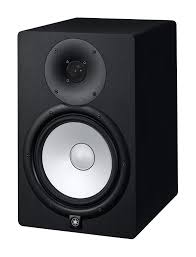
Yamaha HS Series
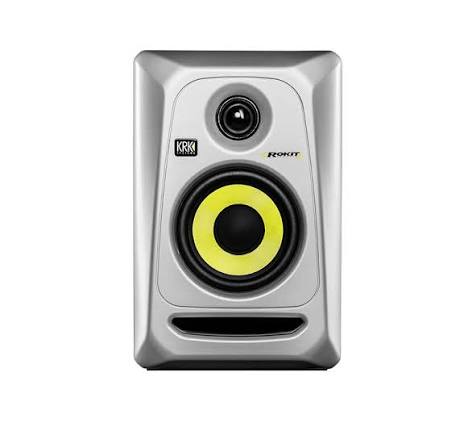
KRK Rokit Series
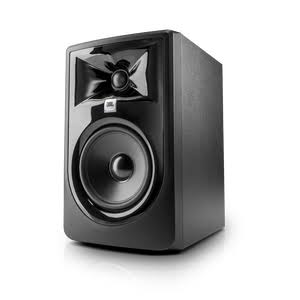
JBL 3-Series Professional
Flat Frequency Analysis
Advanced transducer layouts designed to reproduce sound signatures accurately, ensuring errors in human mixing are caught instantly. These engineering deployments target critical mid-range clarity matrices to avoid overlapping phase anomalies within dense multichannel tracks.
Active Environment Calibration
On-board tuning configurations that adjust amplifier responses based on boundary limitations, helping control phase anomalies caused by placement near solid brick or concrete walls. This feature guarantees tonal stability across small vocal booths and wide commercial control rooms.
Controlled Image Waveguides
Calculated geometric framing surrounding high-frequency tweeters that directs high-end frequencies evenly across a wide listening area. This configuration expands the sweet spot, letting audio engineers move across console stations without experiencing high-frequency loss.
The Science of Sound: Selecting and Calibrating Near-Field Studio Monitors
Choosing the perfect set of studio monitors is one of the most critical decisions any audio engineer, music producer, or sound designer will make. In a world full of smooth marketing and flashy product labels, finding gear that actually tells the truth about your audio signal can be tough. Unlike standard consumer speakers, which are built to boost bass notes and sweeten vocal tracks for a fun listening experience, near-field studio monitors have a very different job. They are engineered to expose every single flaw, imbalance, and unwanted noise in your multi-track project. This comprehensive guide looks into the physics, mechanical construction, and practical setups behind top industry reference speakers, helping you build an environment you can fully trust.
To really understand monitoring technology, we have to look past the spec sheets and think about how physical parts interact with sound waves. When a speaker cone moves, it pushes air to create pressure variations that our ears interpret as music. If the speaker housing shakes too much, or if the internal electronic parts add color to the signal, the sound you hear is no longer accurate. This truth forms the basis of our structural evaluation, tracking how popular designs handle the constant challenge of delivering transparent, uncolored audio reproduction.
The Baseline Matrix: Defining Flat Frequency Response and Pure Audio Imaging
At the center of professional audio tracking is the concept of a flat frequency response. In simple terms, this means that the speaker shouldn't favor any single note over another across the entire span of human hearing, from deep low sub-bass hums to sparkling high-frequency air. When a monitor system maintains this flat line, it ensures that your final mix translations sound balanced whether they are played on premium car audio configurations, tiny smartphone speaker assemblies, or massive club sound setups. If your speakers naturally boost the bass frequencies on their own, you will instinctively turn down the low end in your software project, leaving your final file sounding thin and weak on other sound systems.
Achieving this elusive acoustic balance requires a delicate mix of high-end materials and smart electronic engineering. The physical speaker cones must be incredibly rigid to prevent distortion under heavy loads, yet light enough to stop moving the exact millisecond the musical signal ends. This balance minimizes transient distortion, allowing you to hear fast drum hits and sudden vocal stops with perfect clarity. Additionally, the crossover networks—the internal brains that split the incoming audio signals between the low-end woofer and high-end tweeter—must handle these splits smoothly to avoid messy phase cancellations in the critical mid-range frequencies where human ears are most sensitive.
The Icon Matrix: Examining Materials and Cabinet Engineering
Let's take a look at how iconic speaker lines handle these challenges. The Yamaha HS Series has been a staple in professional control rooms for years, easily recognized by its bright white speaker cone design. This material choice provides a very stiff structural balance that delivers exceptional mid-range clarity. When working on vocal tracking or mixing acoustic instruments, these monitors reveal tiny problem areas instantly, acting like an acoustic microscope. However, because they focus heavily on clear mids, some users feel they lack deep low-end weight, meaning you have to watch your sub-bass levels carefully when working on modern electronic music tracks.
In contrast, the KRK Rokit platform takes a different approach by utilizing custom yellow Kevlar composite fibers in its speaker cones. Kevlar is incredibly strong and handles fast musical changes brilliantly, which helps reduce unwanted cone flexing. This material choice results in punchy, highly defined low frequencies that make it a favorite for electronic music creators and urban music producers who need to feel the pulse of their kick drums and basslines. Over the years, the Rokit line has evolved to include detailed visual processing screens on the back, giving users the power to adjust the output to better fit their room acoustics without needing expensive external hardware links.
Meanwhile, the JBL 3-Series focuses heavily on how sound waves leave the speaker box. By using custom-shaped plastic framing around the high-frequency tweeters, these monitors distribute high frequencies evenly across a wider area. This creative engineering expands the room's acoustic "sweet spot," meaning the sound stays accurate even if you slide left or right along your mixing desk. This design offers a great solution for active studio spaces where multiple creators need to listen to the same playback simultaneously without experiencing dull or muffled high-end roll-off.
Acoustic Calibration: Balancing Boundary Interfaces and Room Geometry
Even the most expensive, perfectly tuned studio speakers can sound terrible if you drop them into an untreated room without proper setup. Sound waves reflect off bare walls, hard ceilings, and large desk surfaces, bouncing back into your ears at slightly different times. These reflections create phase issues, causing some musical notes to cancel each other out completely while making other frequencies twice as loud as they should be. This room interaction is often why a song that sounded incredible in your home studio can turn out bloated or muddy when played somewhere else.
To combat these environmental issues, modern reference monitors come equipped with back-panel tuning toggles and electronic adjustments. If you have to position your speakers close to a corner or solid brick wall, the low-end frequencies will naturally get boosted by the boundary surfaces. Flipping the room control switches allows you to turn down those specific frequencies right at the speaker source, keeping your bass accurate. For the absolute best results, these internal adjustments should be paired with physical acoustic panels, foam bass traps, and decoupling pads underneath the speaker boxes to stop your desk from vibrating along with the music.
The Future Path: Exploring Smart Processing and Active Calibration Links
As digital technology advances, the line between traditional speaker physics and software calibration is blurring. A growing number of modern monitoring setups include built-in measurement microphones and automatic room adjustment software. These systems analyze the unique acoustic footprint of your room and automatically apply fine corrections to fix frequency issues, saving you from complex calculations.
While some traditional audio purists prefer to fix room issues using physical placement alone, smart electronic calibration has become a game-changer for mobile producers, bedroom creators, and project studios. Being able to run a fast calibration sweep and get flat, reliable sound performance anywhere makes high-end audio production accessible to more people than ever before. Whether you rely on classic analog acoustic setups or cutting-edge smart digital software, your ultimate goal remains exactly the same: achieving transparent, uncompromised sound translation that lets you create your best work with complete confidence.