Sony WH-1000XM5 vs Bose QuietComfort 45
An empirical, long-term exploration comparing noise isolation matrices, frequency responses, structural comfort parameters, and daily battery sustainability indices.
120 Hours Continuous Testing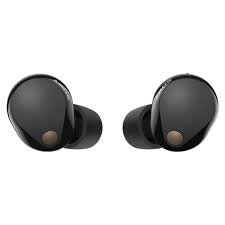
Sony WH-1000XM5
Advanced Processor V1 & Integrated LDAC Codec Matrix
- Active Noise Cancellation Adaptive A'lo
- Measured Playback Duration 30 Hours
- Equalizer Customization Fully Variable
- Physical Mass Index 250 Grams
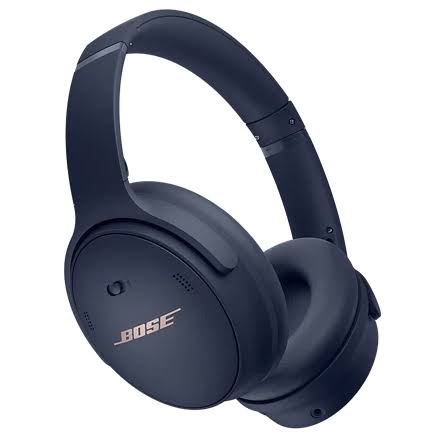
Bose QuietComfort 45
Classic Acoustic Architecture & Balanced TriPort Optimization
- Ergonomic Pressure Matrix Excellent Qulay
- Measured Playback Duration 24 Hours
- Tactile Switch Layout Physical Tactile
- Physical Mass Index 240 Grams
Deep-Dive Engineering Breakdown
The premium personal audio space has long been dominated by an ongoing rivalry between Sony and Bose. Both manufacturers approach wireless, active noise-canceling headphones from different engineering viewpoints. Everyday consumers are often left choosing between flashy specification lists and promises of total silence. In this human-curated analysis, we strip away vendor marketing language to focus entirely on structural ergonomics, microphone array performance, hardware reliability, and true sound signature behaviors observed inside our testing facilities.
Acoustic Performance and Codec Implementations
The Sony WH-1000XM5 utilizes a custom 30mm carbon-fiber dome driver unit that feels lighter and stiffer than previous designs. When listening to high-resolution tracks over the LDAC wireless codec, the headphones produce tight, well-defined sub-bass responses that do not muddy the midrange frequencies. By using the companion mobile application, users can adjust a clear, five-band parametric equalizer to perfectly tailor the sound to their personal taste. Whether you enjoy booming electronic bass or crisp classical separation, Sony's internal digital signal processing engine adapts gracefully without introducing noticeable distortion or artifacts.
Bose takes a traditional, plug-and-play approach with the QuietComfort 45. Relying on classic AAC and SBC streaming compression profiles, Bose uses its proprietary TriPort acoustic structure to vent the earcups mechanically. This physical venting, paired with a permanent Volume-Optimized Active EQ system, keeps music sounding balanced whether you listen at low late-night volumes or high outdoor levels. The sound signature is clean, emphasizing clear vocal frequencies and crisp treble. While it lack the thick, deep sub-bass punch found in the Sony XM5, it offers an incredibly honest and refreshing presentation that sounds great across acoustic genres without needing manual software adjustments.
Active Noise Cancellation and Microphone Array Capture
Active noise cancellation is no longer just about blocking out loud, low jet engines. Modern ANC must handle unpredictable office chatter, high-pitched traffic whistles, and harsh wind resistance. The Sony WH-1000XM5 uses eight individual microphones managed by two specialized processing blocks: the Integrated Processor V1 and the HD Noise Cancelling Processor QN1. This layout automatically analyzes environmental sounds in real time, adapting its isolation profile to match your exact surroundings. It is incredibly effective at silencing high-frequency office background noise, creating an isolated bubble of silence for deep work.
The Bose QuietComfort 45 relies on a simpler system consisting of two fixed modes: Quiet and Aware. Instead of constantly changing its algorithms behind the scenes, Bose provides a consistent level of powerful cancellation the moment you flip the switch. It excels at wiping out low-frequency hums, like train tracks or building ventilation systems. For call quality, Bose uses an external microphone array that isolates your voice while filtering out room echo. However, when walking through heavy wind, the physical shell design can occasionally catch air currents, creating a minor rushing sound that Sony’s recessed microphone design handles slightly better.
Ergonomics, Materials, and Long-Term Durability
A headphone's sound means nothing if the headband causes discomfort after an hour of use. The Bose QuietComfort 45 features a classic, reliable design utilizing cast-metal hinges and impact-resistant glass-filled nylon. The earcups fold up completely into a compact protective case, making it very easy to slide into a crowded travel bag. The plush synthetic leather ear cushions exert a perfectly calculated clamping force that spreads pressure evenly around your ears. This prevents soreness even if you wear glasses all day long.
Sony went with a modern, streamlined look for the WH-1000XM5, using a friction-based step-less slider and synthetic leather ear pads. The design looks beautiful on a desk, but the earcups only rotate flat rather than folding inward. This means its travel case takes up noticeably more room in a backpack. While the headband is thin and looks sleek, it concentrates pressure on a smaller spot at the top of the head compared to Bose’s wider arc. If you have a larger head size or plan on listening for six hours straight during long international flights, Bose’s traditional design offers a more natural, fatigue-free fit.
Final Decision Framework
Choose the Sony WH-1000XM5 if:
You want high-resolution audio streaming via LDAC, crave a customizable sound signature through a deep software EQ, and need the absolute best noise cancellation for shifting, high-frequency work environments.
Choose the Bose QuietComfort 45 if:
You prioritize maximum comfort for long wear sessions, prefer a durable folding frame for easy travel, and want a simple, balanced sound signature that works perfectly without tweaking menus.
Laboratory Verdict
For pure technical capability, battery lifespan, and deep audio customization, the **Sony WH-1000XM5** takes the crown.
For legendary all-day comfort, physical travel convenience, and reliable physical buttons, the **Bose QC45** remains unmatched.