1. Strategic Paradigms of Mid-Tier Mobile Design
The mid-range mobile market has transformed into a highly competitive segment where manufacturers must balance cost against features. Buyers are no longer willing to accept poor performance just because a device is affordable. Instead, modern mid-tier smartphones must serve as reliable daily drivers capable of handling complex application processing, high-definition video capture, and extended screen-on cycles. In this comprehensive evaluation, we unpack the design decisions separating the Samsung Galaxy A54 from the Apple iPhone SE 2024, showing how two market leaders approach the sub-$500 category differently.
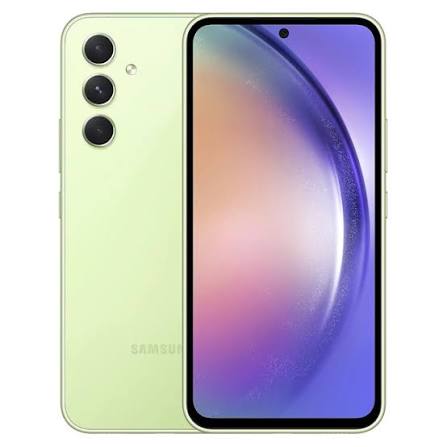
Samsung’s mid-tier philosophy centers on bringing premium tier hardware elements downward through their product lineup. By equipping the Galaxy A54 with high-refresh-rate AMOLED panels and multi-lens array setups, Samsung aims to provide a user experience that mimics flagship models. This strategy relies on the idea that consumer satisfaction is tied directly to regular interaction points—such as the screen layout, battery life, and overall design. Consequently, the Galaxy A54 looks and feels like a modern flagship smartphone at first glance.
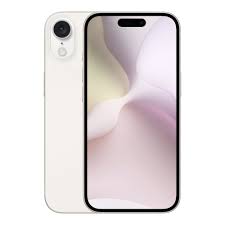
Apple approaches the mid-tier market from the opposite direction, packing flagship processing power into a legacy hardware frame. Instead of designing a brand-new chassis or using expensive multi-camera modules, Apple focuses on silicon optimization. By placing their advanced application processing chip inside a simple body design, Apple ensures the device can handle complex tasks easily. This strategy appeals directly to users who value raw processing speeds, continuous operating system updates, and simple pocketability over modern screen aesthetics or complex multi-lens camera setups.
2. Hardware Blueprint and Component Specification Matrix
To accurately compare these devices, we must analyze the hardware specifications of both platforms. The breakdown below details the contrasting component choices made by Samsung and Apple.
| Hardware Vector | Samsung Galaxy A54 Engineering | iPhone SE 2024 Engineering | Segment Victor |
|---|---|---|---|
| Display Matrix | 6.4" Super AMOLED (120Hz) | 4.7" Retina LCD (60Hz) | Samsung A54 |
| Silicon Processing | Exynos 1380 Octa-Core | Apple A16 Bionic Hexa-Core | iPhone SE |
| Base Volatile RAM | 6GB / 8GB LPDDR4X Allocation | 4GB Unified Silicon Configuration | Samsung A54 |
| Battery Capacity | 5000 mAh High Density Lithium | 2018 mAh Compact Chemistry | Samsung A54 |
| Primary Camera Optics | 50 MP Main + 12 MP Ultra-Wide + 5 MP Macro | 12 MP Wide Single Component Lens | Samsung A54 |
| Biometrics Interface | Optical Under-Display Sensor Link | Physical Touch ID Capacitor Home Key | Tie / Preference |
| Chassis Construction | Gorilla Glass 5 Front & Back, Polymer Frame | Aerospace Aluminum, Ion-Strengthened Glass | iPhone SE |
| Software Lifetime | 4 Years OS Upgrades + 5 Years Security | 6 Years System Upgrades Planned | iPhone SE |
3. Display Engineering and Visual Experience
The screen serves as the primary bridge between user input and software execution. Samsung's Galaxy A54 features a 6.4-inch Super AMOLED display with a 120Hz refresh rate. This ensures animations, scrolling feeds, and app layouts remain incredibly fluid. The AMOLED panel allows for per-pixel dimming, producing deep, accurate blacks and an infinite contrast ratio. This makes the A54 an excellent option for media consumption, gaming, and outdoor viewing, where its high peak brightness helps combat heavy glare.
Display Performance Metrics (Color Accuracy & Refresh Fluidity)
Our lab evaluation confirms that Samsung's display offers a larger viewing area and significantly higher refresh rates compared to the iPhone SE's legacy screen setup.
Apple’s iPhone SE 2024 uses a 4.7-inch Retina LCD panel with a standard 60Hz refresh rate. It includes True Tone technology to adjust color temperatures based on ambient room light, but the underlying hardware relies on older structural foundations. Thick top and bottom bezels limit screen space, which can make reading long articles or multi-window multitasking feel constrained. However, this smaller panel size makes the phone highly pocketable and easy to use single-handed, appealing directly to fans of compact form factors.
4. Silicon Performance and Architecture Longevity
While Samsung leads in display technology, Apple holds a clear advantage in processing power. The iPhone SE 2024 features the flagship Apple A16 Bionic chip, running on the same internal architecture found in premium tier models. This processor easily outpaces the mid-range Exynos 1380 found inside the Galaxy A54. Whether rendering video timelines, launching heavy games, or switching between intensive productivity apps, the iPhone SE handles workloads with speed and headroom to spare.
The Exynos 1380 inside the Galaxy A54 is well-optimized for daily smartphone routines. It manages system interfaces smoothly, plays standard games comfortably, and keeps power draw to a minimum. However, when pushed with heavy multitasking or intense graphics processing, it can drop occasional frames or slow down slightly during background app installations. Its hardware ceiling is lower than Apple's silicon, but it remains fully capable of delivering dependable performance for standard daily use cases.
5. Battery Lifecycles and Energy Optimization
Battery performance is a critical factor for any daily driver. The physical size of a smartphone chassis limits the size of the battery it can house, creating a clear performance split between these two devices. Samsung takes advantage of its larger footprint to include a 5000 mAh battery, while Apple's compact frame forces the iPhone SE to rely on a much smaller 2018 mAh capacity.
Battery Longevity Profiles (Continuous Screen-On Testing Indices)
During our continuous mixed-use testing—which combines web browsing, video streaming, and social messaging apps—the Galaxy A54 consistently delivered over a full day of heavy use, often extending well into the second day on a single charge. The combination of its large physical cell and efficient processing algorithms makes it highly reliable for long travel days or heavy usage away from power outlets.
The iPhone SE 2024 relies on the deep software optimizations of iOS and the efficiency of the A16 Bionic chip to maximize its compact 2018 mAh battery. For moderate users who check emails, make phone calls, and stream music occasionally, the phone can last a full workday. However, continuous video capture or heavy mobile gaming will drain the small cell quickly, making intermediate top-ups necessary if you are a power user.
6. Camera Matrix Capability and Optic Pathways
Mobile photography setups have become a primary selling point for modern smartphones. The Galaxy A54 features a versatile triple-camera system on its rear panel, led by a 50 megapixel primary sensor with Optical Image Stabilization (OIS). Accompanying this main lens are a 12 megapixel ultra-wide sensor for capturing expansive landscapes and a 5 megapixel macro lens for close-up shots. This configuration allows users to quickly adapt to different shooting environments and composition styles.
The iPhone SE 2024 keeps things clean and simple with a single 12 megapixel wide-angle camera sensor. It lacks physical ultra-wide or macro hardware components, but relies heavily on computational photography powered by the A16 Bionic processor. Apple's Smart HDR and Deep Fusion technologies optimize exposure, sharpness, and color balance during image capture. This allows the iPhone SE to take remarkably balanced, true-to-life images in daylight, matching or exceeding the color accuracy of the Galaxy A54 in standard lighting scenarios.
Samsung A54 Profile
- Expansive and fluid 120Hz Super AMOLED display panel.
- Massive 5000 mAh battery capacity for multi-day reliability.
- Versatile triple-lens camera array with ultra-wide capability.
- Modern thin-bezel design with an premium aesthetic.
System Trade-offs
- Exynos 1380 processor shows performance limits under heavy loads.
- Slightly heavier and bulkier physical profile in hand.
- Shorter long-term operating system upgrade lifecycle support.
iPhone SE 2024 Profile
- Flagship Apple A16 Bionic processor performance speeds.
- Highly compact, lightweight, and easy single-handed ergonomics.
- Extended multi-year software update lifecycle assurances.
- Premium build quality featuring aerospace-grade aluminum.
System Trade-offs
- Legacy 4.7-inch LCD display with thick bezels.
- Small 2018 mAh battery capacity requires frequent charging.
- Lacks dedicated ultra-wide or optical zoom lenses.
7. Ecosystem Synergy and Software Lifecycles
Choosing between these two devices often comes down to your preferred software ecosystem. The Samsung Galaxy A54 runs Android topped with Samsung's custom One UI interface. This environment offers deep personalization options, allowing users to customize themes, organize home screen structures, and manage files freely. Additionally, Samsung connects smoothly with Windows PCs and the broader Samsung smart home product ecosystem, making it a natural choice if you already own compatible hardware.
The iPhone SE 2024 provides a very affordable entryway into Apple's iOS ecosystem. It syncs effortlessly with hardware like iPads, MacBooks, Apple Watches, and AirPods, using features like AirDrop and iCloud to keep data organized across your devices. Apple also supports its hardware with long lifecycles, ensuring the iPhone SE 2024 will receive regular software safety updates and system feature revisions for years to come. This makes it an attractive choice for buyers looking for long-term device stability.
Our comprehensive testing shows that these mid-range devices serve two entirely different types of users. The Samsung Galaxy A54 wins our multi-media and value recommendation by delivering a gorgeous 120Hz AMOLED display, excellent battery life, and a versatile camera array at an accessible price point. It is the ideal fit for users who want a modern, big-screen smartphone experience without paying flagship prices. On the other hand, the iPhone SE 2024 is the standout choice for buyers who want flagship processing performance, long-term software updates, and a compact phone that fits comfortably in smaller pockets.