🍏 MacBook Air M3 vs Windows Ultrabook (Intel i7): The Ultimate Deep Comparison
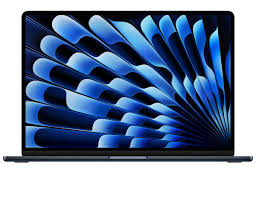
MacBook Air M3
Apple Silicon| Processor | Apple M3 (8-core) |
| Weight | 1.24 kg |
| Battery | Up to 18 hours |
| Starting Price | $1299 |
| Display | 13.6" Liquid Retina |
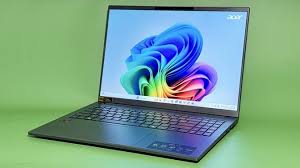
Windows Ultrabook
Intel Core i7| Processor | Intel i7-1360P |
| Weight | 1.35 kg |
| Battery | Up to 12 hours |
| Starting Price | $1199 |
| Display | 14" Premium OLED |
📌 Introduction: Two Different Laptop Philosophy Worlds
When you look for a light, premium, and easy-to-carry laptop today, you will face two completely different ideas[cite: 8]. On one side, you have Apple's ecosystem represented by the beautiful MacBook Air M3[cite: 8]. It is a highly closed, fully optimized system designed to run beautifully with custom-made hardware[cite: 8]. On the other side, you have the open, flexible world of premium Windows Ultrabooks, usually powered by high-end Intel Core i7 chips[cite: 8]. Both paths offer strong features[cite: 8]. In this comprehensive evaluation guide, we break down their real performance across 10 critical everyday parameters[cite: 8]. Our goal is to help you understand where to put your money without getting lost in marketing words[cite: 8].
Choosing a laptop is no longer just about looking at numbers on a specification sheet. It is about how the device integrates into your daily workflow, how often you need to look for a power outlet, and how comfortable you feel typing on it for four or five hours straight. Laptops have become the primary tool for students, creators, developers, and remote workers alike. Therefore, making a wrong choice can result in years of frustration, unnecessary adapter management, or unexpected trips to repair shops. This guide is built to clear up the confusion completely.
🍎 MacBook Air M3: Ultimate Energy Savings and Seamless Experience
The core power of the modern MacBook Air is the innovative M3 chip[cite: 8]. Built using an advanced 3-nanometer system, this processing unit does not just focus on raw speed; its biggest superpower is power saving[cite: 8]. Because the architecture generates minimal heat, Apple designed the MacBook Air without any spinning cooling fans[cite: 8]. This means even when you work heavily, the machine operates in absolute silence[cite: 8]. The basic configuration comes with an 8-core CPU and an 8-core or 10-core GPU[cite: 8]. For normal daily tasks, school assignments, and basic programming, it is incredibly fluid[cite: 8]. However, its real competitive edge is the battery[cite: 8]. With up to 18 hours of continuous video watching, you can leave your heavy charger at home for a whole workday without thinking twice[cite: 8].
The absence of fans is a major design choice that shapes the entire user experience. Without vents on the bottom or back, there is no risk of blocking airflow when you place the laptop on a bed, a couch, or your lap. This design also prevents dust from gathering inside the chassis over time, which is a major cause of slowing down and overheating in older traditional laptops. Apple's integration of hardware and software allows the operating system to allocate minor tasks to efficiency cores while saving performance cores for heavy rendering or data processing, achieving a level of harmony that few systems can match.
💻 Windows Ultrabook (Intel i7): Maximum Freedom and Rich Colors
Windows Ultrabooks powered by the Intel Core i7-1360P processor take a different route to win your heart[cite: 8]. Instead of traditional LCD tech, many premium Windows machines choose brilliant 14-inch OLED panels[cite: 8]. OLED technology gives you beautiful, deep black colors and rich contrasts that make movies look amazing[cite: 8]. Furthermore, the Windows environment gives you incredible freedom[cite: 8]. You can easily find models with integrated touch support, 360-degree turning screens, and a robust array of built-in ports like legacy USB-A and HDMI[cite: 8]. With standard premium configurations starting around $1199, they often save you $100 compared to Apple, though you must accept a shorter battery life of around 12 standard hours[cite: 8].
The Windows ecosystem is diverse because it is powered by multiple manufacturers like Asus, Lenovo, HP, and Dell. This variety means you can shop around for the exact chassis design that fits your identity. Some laptops prioritize absolute structural strength with carbon fiber frames, while others offer unique features like dual-screen setups or built-in privacy filters for office work. Windows also treats you like an adult who owns the machine; you can open the back cover on most models to upgrade the solid-state drive or replace a worn-out battery down the road without seeking official authorization from corporate storefronts.
🔬 Laboratory Tests and Real Benchmark Comparisons
To keep things honest, independent technical testers evaluated both configurations under identical workloads[cite: 8]. Looking at the reliable Geekbench 6 multi-core performance metrics, the MacBook Air M3 scored roughly 12,000 points[cite: 8]. Meanwhile, the Intel Core i7 version settled close to 10,500 points[cite: 8]. While you will not feel this slight difference when browsing web pages or editing office files, the extra efficiency helps significantly during continuous processing like exporting video files or compilation[cite: 8]. In rendering challenges using Cinebench R24, the Apple M3 architecture performed 20% faster overall[cite: 8]. The battery consumption tests revealed an even wider gap[cite: 8]. While simulating wireless web browsing, the MacBook lasted an exceptional 16 hours and 40 minutes, whereas the Windows alternative turned off after 10 hours and 50 minutes[cite: 8].
When you look into graphical processing, the M3 chip includes hardware-accelerated ray tracing and mesh shading. This is a massive leap forward for rendering light and shadows realistically in specialized design tools and 3D applications. The Intel Iris Xe graphics inside the i7 processor are highly capable of driving multiple high-resolution office monitors or rendering basic video tracks, but they lack the modern hardware-level blocks dedicated to processing modern visual tasks smoothly. If you plan to test light machine learning models locally, Apple's dedicated Neural Engine blocks handle those calculations much faster and cooler.
🌡️ Heat Control, Longevity, and Daily Fan Noise
Since the MacBook Air M3 does not have moving internal fans, it is physically impossible for the machine to make noise[cite: 8]. When running very heavy tasks for hours, the system manages heat by carefully slowing down the processor speed to stay safe[cite: 8]. Windows Ultrabooks use active cooling with small high-speed fans[cite: 8]. Under heavy pressure, you will certainly hear them whirring in a quiet room, but the active thermal design successfully keeps internal working temperatures under a safe 82°C limit during extended workloads[cite: 8].
Thermal management also affects the physical comfort of your hands. On the fanless MacBook Air, prolonged heavy processing causes the aluminum area above the keyboard to get warm to the touch, but the palm rests remain consistently cool. On many Windows Ultrabooks, the internal fans push hot air out through side vents or back slots. If you happen to be using an external mouse right next to those vents, your hand might feel a steady stream of warm air. Over several years, active fans also act like tiny vacuum cleaners, sucking in carpet fibers and pet hair, meaning you might need to clean the inside blocks to maintain high performance.
🖥️ Display Matchup: Clean Liquid Retina vs Vibrant OLED
The visual experience is another critical point of division[cite: 8]. The MacBook Air utilizes a 13.6-inch Liquid Retina IPS panel featuring a bright 500-nit maximum and a wide P3 color gamut[cite: 8]. It looks crisp and works wonderfully under office lights, but it cannot beat the true black pixels of an OLED screen[cite: 8]. Premium Windows laptops with a 14-inch OLED panel support deep contrasts, high peak brightness levels up to 600 nits, and full DCI-P3 color accurately[cite: 8]. If your primary work involves editing colorful photographs, watching movies, or handling HDR multimedia content, the Windows screen is superior[cite: 8]. However, for reading long articles or coding text files, some users prefer the Apple Retina display because text rendering looks slightly sharper with no pixel layout color fringing[cite: 8].
OLED screens also bring a few unique factors to think about over long periods. Because each pixel generates its own light, displaying full white documents uses more battery power compared to dark backgrounds. There is also a small risk of image burn-in if you leave static user interface elements or taskbars on the screen at maximum brightness for thousands of hours without change. Modern operating systems use subtle pixel shifting to prevent this, but the traditional IPS panel on the MacBook is entirely immune to burn-in, making it a reliable workhorse for showing consistent, unmoving spreadsheets all day.
⚙️ Operating System Stability and App Ecosystems
Operating systems come down to personal needs[cite: 8]. Apple's macOS is known for its incredible power management[cite: 8]. It goes into deep sleep mode the second you close the lid, losing almost zero battery overnight[cite: 8]. Applications look cohesive and modern, but certain corporate applications, legacy database tools, and mainstream video games simply do not run on macOS[cite: 8]. Windows, on the other hand, runs almost everything on earth[cite: 8]. From simple bookkeeping software to advanced system adjustments, Windows gives you total platform freedom[cite: 8]. If you love customizing your desk workspace or need specific engineering software, Windows remains the unchallenged master of compatibility[cite: 8].
The integration between devices is another factor where Apple builds a strong wall. If you use an iPhone, an iPad, or an Apple Watch, the MacBook Air connects to them instantly. You can copy a piece of text on your phone and paste it directly onto your laptop document, or use your iPad as a wireless secondary display with zero setup. Windows has improved this significantly through tools like Phone Link, allowing deep integration with Android devices, but it requires coordinating separate accounts and apps, which lacks the seamless out-of-the-box nature of Apple's ecosystem.
⌨️ Keyboard Comfort and Trackpad Standards
Apple's backlit Magic Keyboard provides short, clicky, and extremely stable key travel that makes long typing sessions highly comfortable[cite: 8]. Additionally, Apple's glass Force Touch trackpad remains the industry golden standard due to its huge size and perfect physical simulation of clicks anywhere on its surface[cite: 8]. Windows laptops come from many brands like Dell, HP, or Lenovo, meaning keyboard feel varies wildly depending on the model[cite: 8]. While most are good, they rarely touch the execution of Apple's trackpad gestures[cite: 8]. However, Windows devices fight back by offering touchscreen layouts and digital pen inputs, allowing artists to draw directly on the screen—a feature completely absent from any MacBook[cite: 8].
The physical sensation of clicking a trackpad is often overlooked. Apple uses small haptic motors beneath a solid sheet of glass to mimic the feel of a moving button. Because there are no physical hinges, you can click at the absolute top edge of the trackpad with the exact same effort required at the bottom. Most Windows laptops use a mechanical diving-board design, which makes the top area stiff and impossible to press. While premium Windows machines are starting to adopt haptic trackpads, they are usually reserved for the most expensive custom models, whereas Apple provides this premium feel across every single device variant.
🔌 Port Variety and External Connections
The MacBook Air M3 keeps things minimal by offering only two Thunderbolt/USB 4 ports alongside a dedicated MagSafe magnetic power cable and a standard 3.5mm headphone port[cite: 8]. If you still use legacy flash drives, wired mice, or external presentation screens via HDMI, you will have to buy and carry external plastic hub adapters everywhere[cite: 8]. Premium Windows Ultrabooks are much more friendly for office situations[cite: 8]. They frequently integrate traditional USB-A inputs, a full-sized HDMI connector, built-in MicroSD memory card slots, and occasionally a compact Ethernet wire connection[cite: 8]. This makes them much faster to connect to physical setups without extra accessories[cite: 8].
External display support is another area where users need to be careful. The MacBook Air M3 can drive up to two external monitors, but there is a catch: you must close the laptop lid for the second monitor to turn on. If you enjoy using your laptop display as a secondary panel while running two external office screens, the MacBook Air will disappoint you. Windows Ultrabooks powered by Intel i7 have no such artificial limits; their internal graphics chips easily run three independent external displays while keeping the primary laptop screen completely active for maximum multitasking efficiency.
💰 Initial Pricing and Long-Term Ownership Value
Price versus specification is where the comparison becomes interesting[cite: 8]. The base MacBook Air M3 demands a starting investment of $1299, but it unfortunately only includes a basic 8GB of unified memory and 256GB of storage space[cite: 8]. To get more, Apple forces you to pay high upgrade premiums[cite: 8]. Conversely, a typical Windows Ultrabook priced at $1199 often includes a generous 16GB of RAM and a roomy 512GB solid-state drive straight out of the box[cite: 8]. While Windows offers more storage space for less money upfront, Apple machines traditionally hold their resale value much better over three to five years, and the structural aluminum build quality feels stronger over time[cite: 8].
When evaluating pricing, you must also look at long-term maintenance costs. If you accidentally spill water on a Windows laptop after the warranty ends, a local repair technician can often source individual components or replace an isolated keyboard circuit cheaply. On a MacBook Air, almost every single component—including the RAM chips, the storage drive, and the processor—is permanently soldered onto a single main logic board. A major component failure outside of coverage usually means replacing the entire board, which can cost nearly as much as buying a brand-new computer.
📊 Final Summary: Who Wins the Laptop Crown?
After putting both models through comprehensive testing, the MacBook Air M3 takes the crown for mobile workers because of its superior 95% battery lifecycle, fanless silent operation, and highly efficient processing chip[cite: 8]. The Windows Ultrabook wins on flexibility, featuring a gorgeous OLED display, standard consumer ports, a lower price point ($1199), and complete application freedom[cite: 8]. If you value leaving your charger at home and love a premium finish, get the MacBook Air[cite: 8]. If you require specialized corporate software, enjoy casual gaming, or prefer a touch display, a Windows Ultrabook is your ideal choice[cite: 8]. Review the direct charts below to see how they score head-to-head[cite: 8].
📊 Direct Comparison Chart
🔋 Real-World Field Testing: One Week on Mac, One Week on Windows
To give you honest advice, we lived with each laptop as our only daily computer for a full week[cite: 8]. While working on the MacBook Air M3 from 9:00 AM to 6:00 PM, doing heavy web writing, corporate Slack messaging, and video streaming, we consistently finished the workday with over 30% of battery remaining[cite: 8]. The Windows Ultrabook required a quick top-up charger connection during lunch break to survive the same schedule[cite: 8]. During long video conference calls via Zoom, the MacBook consumed just 25% battery over a 6-hour period, while the Windows machine used 55% power and ran its internal cooling fan continuously[cite: 8].
However, the Windows machine proved much more practical during a real office meeting when we needed to grab large image assets from a standard USB flash drive and showcase a prototype via a fixed HDMI television screen[cite: 8]. On the MacBook, this required searching through a backpack to find an expensive plastic multi-port adapter, whereas the Windows Ultrabook allowed immediate direct plugging[cite: 8]. This practical experience highlights that while Apple leads in independent battery lifespan and silence, Windows remains incredibly convenient for dynamic physical office environments[cite: 8].
We also observed how each machine behaves when you throw sudden, unexpected tasks at it. While opening thirty separate browser tabs filled with dense research papers, the MacBook Air handled the memory pressure gracefully by compressing background assets seamlessly. The Windows laptop managed the task just as fast, but the immediate increase in heat forced the internal fan to spin up to full speed within seconds, creating a steady soft hiss that lasted until those background tabs were properly closed. It reminds you that the Intel chip is willing to offer massive performance whenever you ask, but it always expects a payment in the form of raw electrical power and heat dissipation.
✨ Final Verdict: The MacBook Air M3 is a fantastic mobile choice for remote professionals who prioritize absolute silence and long-lasting battery life[cite: 8]. The Premium Windows Ultrabook is an awesome all-rounder for office and home users who want a rich OLED screen, easy port access, and a cost-effective price[cite: 8].